Explore Haw Phra Kaew, a must-visit historic landmark during your Vientiane, Laos trip. Discover Laos Buddhist culture, stunning architecture, and essential travel tips for a serene journey.

Stepping Back in Time: A Quiet Retreat in Bustling Vientiane
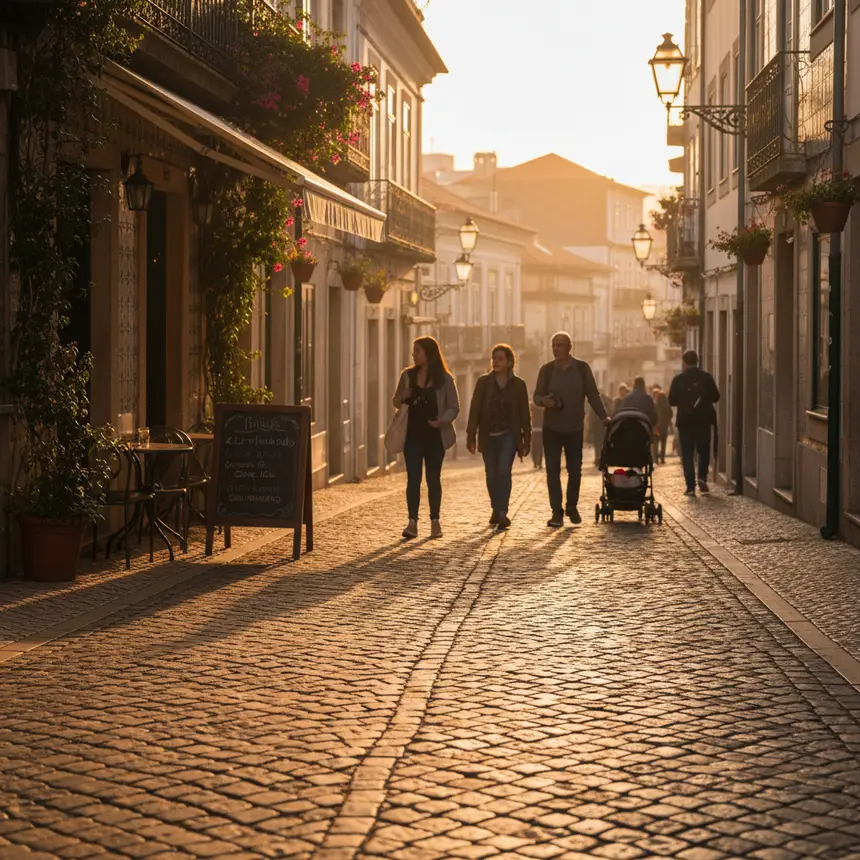
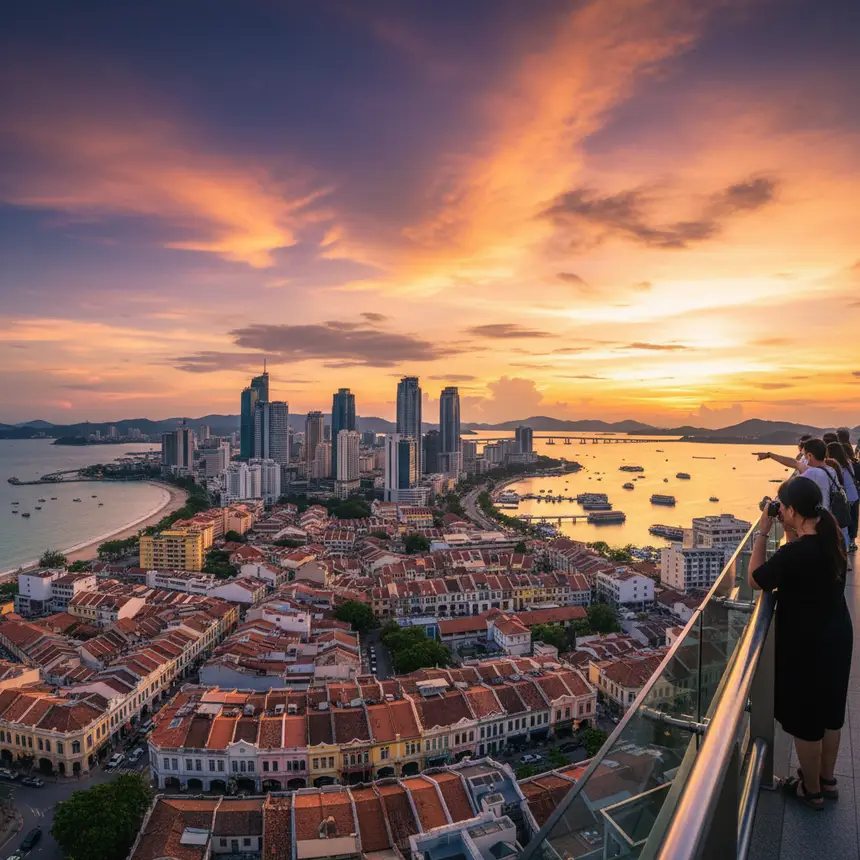
Imagine wandering through the vibrant streets of Vientiane, Laos, a city alive with energy and local charm. Amidst this lively backdrop, you might stumble upon a place that feels like a whispered secret from the past: Haw Phra Kaew. This isn't just another tourist spot; it's a profound encounter with history, a tranquil sanctuary that offers a stark contrast to the city's modern pulse. As an American traveler, finding such an authentic and peaceful location for reflection in the heart of Southeast Asia is a truly special experience. It’s an ideal stop for anyone exploring Vientiane attractions or planning a wider Laos travel itinerary, offering a moment of quiet contemplation away from the everyday hustle.
Unveiling the Royal Legacy: Architecture of Haw Phra Kaew
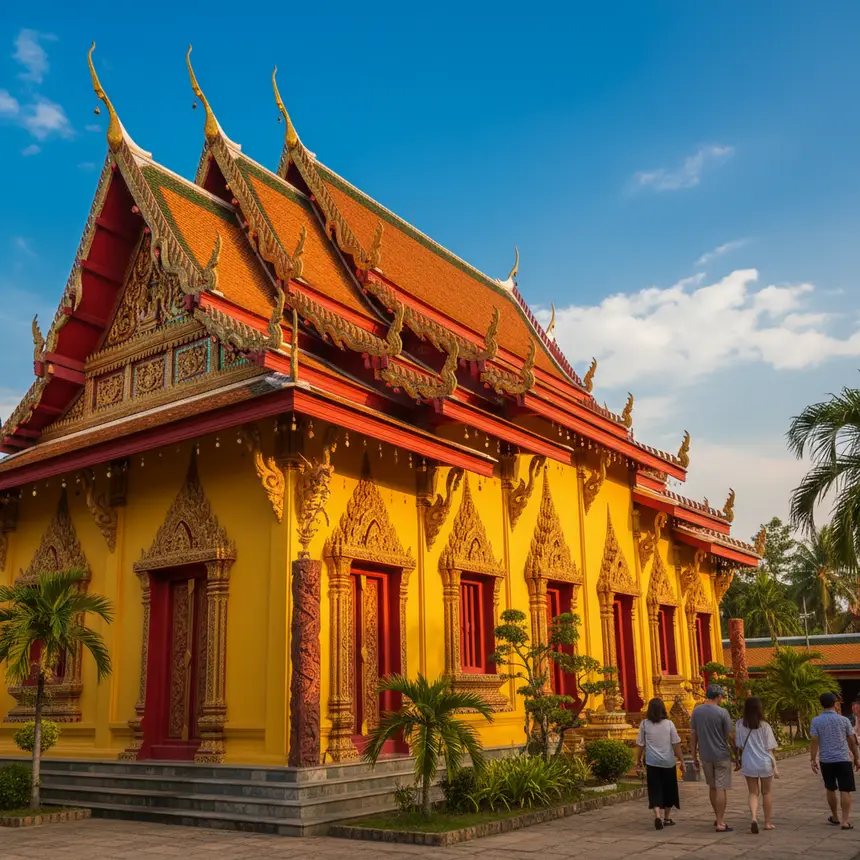
Haw Phra Kaew, once a revered royal temple, now stands as a captivating museum showcasing Laos's rich artistic and cultural heritage in the very center of Vientiane, right next to the Presidential Palace. Its striking exterior immediately captures attention with vibrant yellow walls contrasting elegantly with bold red doorframes. The intricate carvings adorning the rooflines are a testament to traditional Lao craftsmanship, while the weathered dark wooden pillars tell tales of centuries past. It’s a magnificent example of Southeast Asian temple architecture that leaves a lasting impression. For international visitors, the entrance fee is a modest 30,000 Lao Kip, easily purchased at the gate. This modest charge grants you access to a living testament of the nation's spiritual and architectural journey, a highlight for any traveler seeking a deeper understanding of Vientiane's offerings.
※ This post contains affiliate links. I may earn a commission at no extra cost to you.

Exploring the Heart of Lao Buddhist Culture Inside Haw Phra Kaew
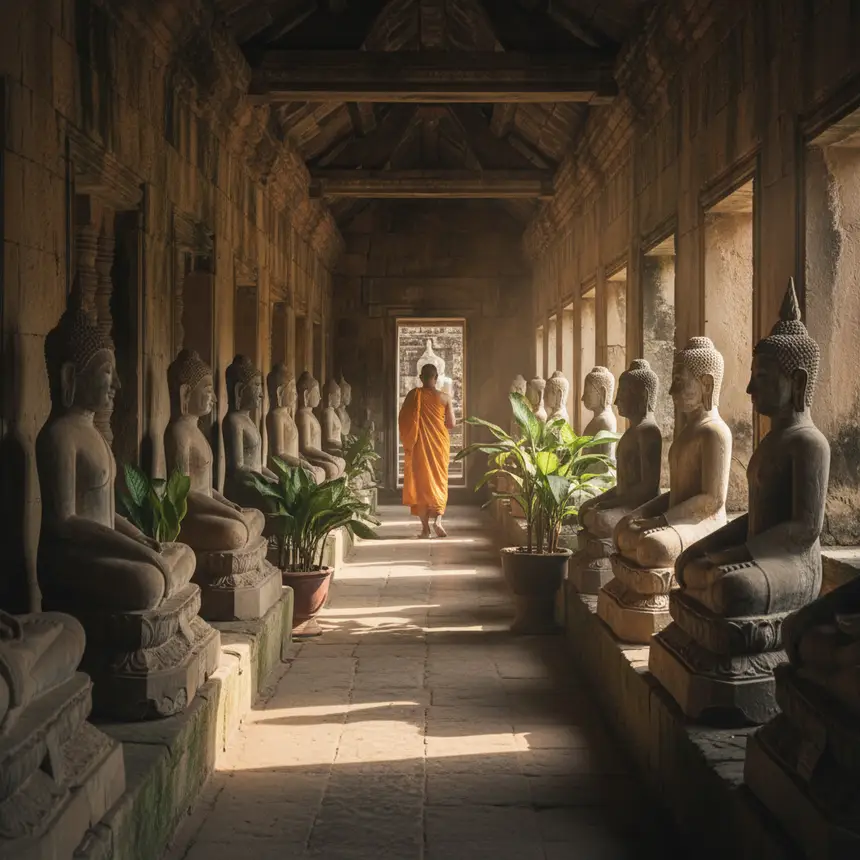
Venture beyond the grand façade of Haw Phra Kaew, and you'll discover a treasure trove of Lao Buddhist culture. The interior boasts long rows of small, intricately crafted Buddha statues, each with a unique expression, lining the walls. These figures evoke a sense of quiet reverence and deep spiritual significance. A particularly fascinating feature is the 'Ho Tai,' an ancient library where Buddhist scriptures, meticulously inscribed on palm leaves, were once stored. This area offers a unique glimpse into the intellectual and religious traditions that shaped Laos. Furthermore, the 'That,' or 'Stupa,' are memorial monuments traditionally housing relics of the Buddha, and later, of revered monks or royalty, reflecting the Lao people's perspectives on life and spirituality. The surrounding 'Cloister' or covered walkway provides a serene path, inviting contemplation as you absorb the stories whispered by the ancient stones and statues.
Practical Tips for Your Visit to Haw Phra Kaew, Vientiane
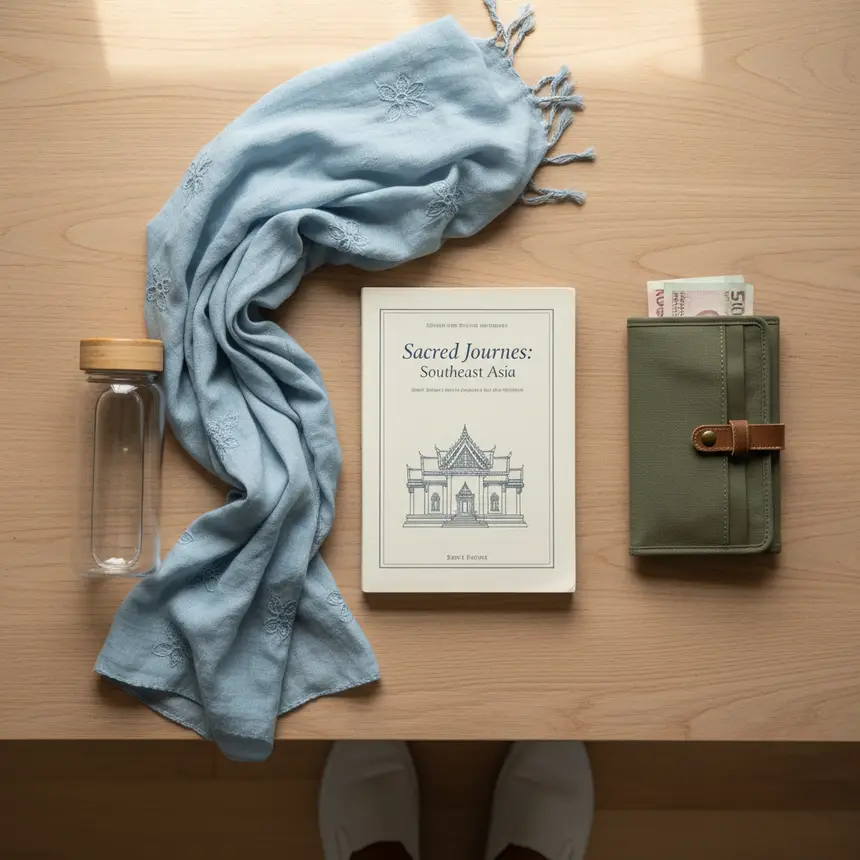
Located centrally in Vientiane, Haw Phra Kaew is conveniently accessible on foot from most downtown accommodations and popular city landmarks. Its proximity to the Presidential Palace makes it an easy addition to your travel itinerary, allowing for efficient exploration. To fully appreciate its historical significance and intricate details, dedicating about 1 to 2 hours for your visit is recommended. As a site of profound religious and historical importance, respectful attire is essential: ensure your shoulders and knees are covered. Maintaining a quiet and reverent demeanor throughout your visit is also appreciated. While photography is generally permitted, be mindful not to disturb other visitors. There are no facilities to purchase drinks or snacks inside, so it’s a good idea to bring a small water bottle to stay hydrated during your contemplative journey.
A Lasting Impression: Haw Phra Kaew's Unique Charm
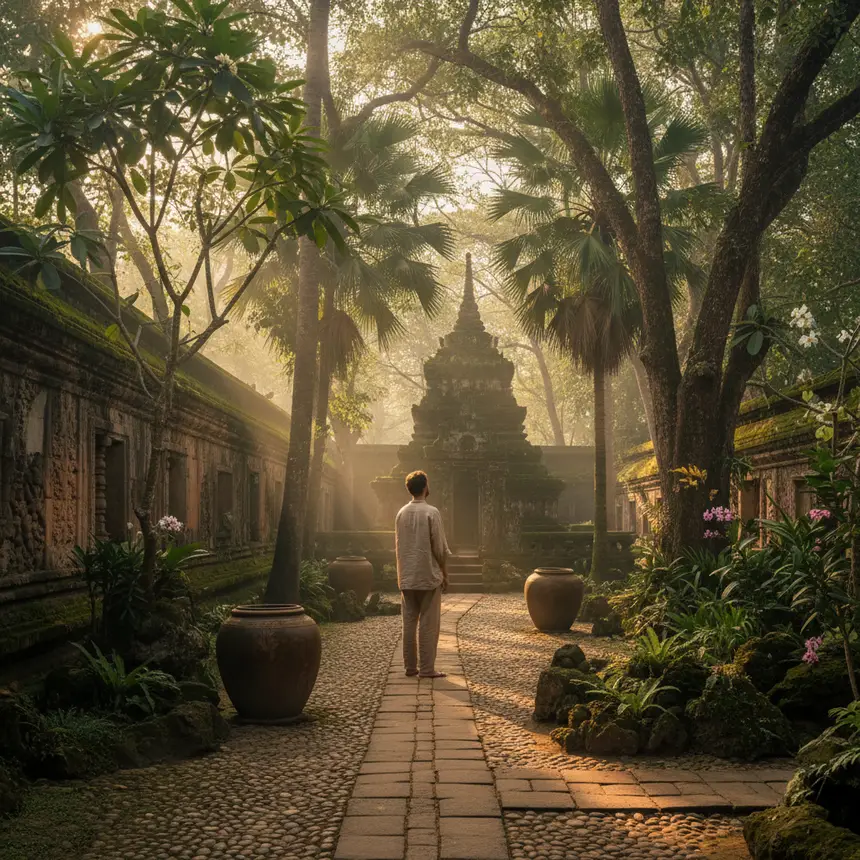
Among the many attractions in Vientiane, Haw Phra Kaew stands out as a profoundly memorable experience. It's not about grandiosity or opulence; rather, it’s the quiet, reflective atmosphere that allows you to truly connect with Laos's rich history, culture, and the essence of Buddhist philosophy. While exploring bustling markets and lively streets is undoubtedly part of the travel adventure, taking a moment to step back in time and feel the whispers of the past adds a unique depth to your journey. Haw Phra Kaew offers more than just a historical building to admire; it provides a rare opportunity for introspection and a sense of calm. If you're planning your Laos travel itinerary, make sure to include this remarkable Vientiane attraction. It will undoubtedly leave you with cherished memories and a deeper appreciation for this enchanting country.
Frequently Asked Questions
Q. What is the admission fee for Haw Phra Kaew?
A. The entrance fee for foreign visitors to Haw Phra Kaew is 30,000 Lao Kip. It's advisable to have local currency ready for your visit.
Q. How much time should I allocate for a visit to Haw Phra Kaew?
A. To fully explore the history and architecture of Haw Phra Kaew and absorb its significance, we recommend setting aside approximately 1 to 2 hours.
Q. Are there any specific dress code requirements for visiting Haw Phra Kaew?
A. Yes, as a site of religious and historical importance, it's appropriate to wear respectful attire that covers your shoulders and knees.
Q. Where is Haw Phra Kaew located within Vientiane?
A. Haw Phra Kaew is centrally located in Vientiane, right next to the Presidential Palace, making it easily accessible on foot from most downtown areas.
Q. What makes Haw Phra Kaew significant as a 'museum'?
A. While originally a royal temple, Haw Phra Kaew now serves as a museum, preserving and exhibiting a rich collection of Lao Buddhist art and historical artifacts, offering insights into the nation's cultural heritage.