Discover profound spiritual meaning on your Israel journey. Explore the historical and religious significance of Qasr el Yahud, the Jordan River baptism site, along with modern visitor amenities. Practical insights for a deeply enriching pilgrimage.

Finding Deeper Meaning: A Journey for the Reflective Traveler
Modern travel has evolved beyond mere sightseeing; many globetrotters now seek deeper meaning and personal introspection. Visiting places steeped in ancient history and spiritual significance often offers unforgettable, transformative experiences. For travelers yearning for inspiration beyond the routine, a journey of reflection, not just observation, can be profoundly rewarding. When you're at a crossroads in life or simply seeking a fresh start, what destinations can genuinely spark a new understanding within you? Israel, a land where ancient civilizations thrived and faiths were born, stands out as such a place. Specifically, a site along the historic Jordan River has, for millennia, conveyed messages of enlightenment and self-reflection to countless individuals. This isn't just a tourist spot; it's a sacred space promising an inner journey.

Qasr el Yahud: Where History Meets Modern Comfort at the Jordan River Baptism Site
Nestled on the west bank of the Jordan River, Qasr el Yahud is a site of immense importance in Christian tradition. This is believed to be the very spot where Jesus was baptized by John the Baptist, marking the beginning of his public ministry as recounted in the New Testament. Over centuries, countless pilgrims have made their way to this hallowed ground. In recent years, the site has undergone significant enhancements to improve visitor comfort and overall experience. Well-maintained wooden ramps now offer safe access to the river's edge, while dedicated prayer pavilions, heated shower facilities, and comfortable changing rooms ensure a more reverent and convenient visit. The site's allure is undeniable, drawing nearly a million visitors in 2019 alone. It's recognized as one of Israel's three most prominent Christian holy sites, alongside Jerusalem's Church of the Holy Sepulchre and Bethlehem's Church of the Nativity, inviting travelers to connect with history and profound spiritual resonance.
※ This post contains affiliate links. I may earn a commission at no extra cost to you.

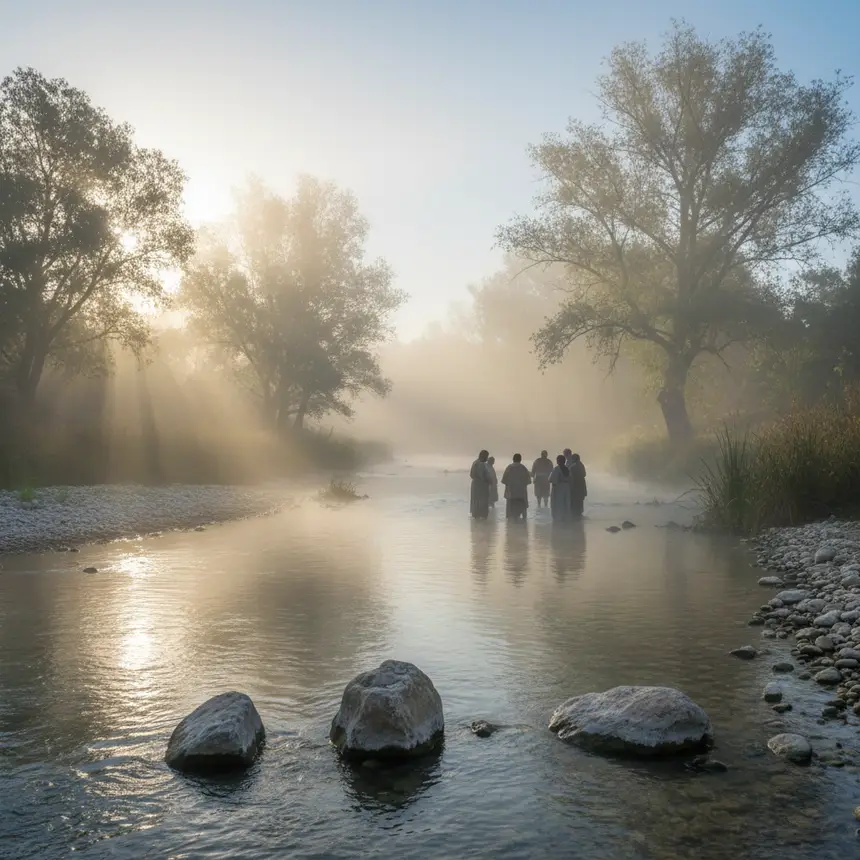
A Walk Through Time: The Multifaceted Significance of the Jordan River
Qasr el Yahud’s significance extends far beyond its New Testament connections, weaving into the tapestry of Old Testament narratives. Tradition holds that this region is where the Israelites, led by Joshua, miraculously crossed the Jordan River after forty years in the wilderness. It's also recognized as the place from which the prophet Elijah ascended to heaven and where Naaman, afflicted with leprosy, was healed after washing in the Jordan. This rich historical and religious backdrop provides visitors with an even deeper pilgrimage experience. When visiting, respectful attire is advised, and it’s a good idea to bring a change of clothes and a towel if you plan to participate in the water experience. Modest local eateries nearby offer a chance to sample simple meals or refreshments, providing a taste of the regional culture and a moment of rest.

Practical Tips for Your Inspiring Journey and Concluding Reflections
For those planning a visit to this extraordinary pilgrimage site, here are some practical tips to enhance your experience. While Israel's climate varies, the Jordan River area can be quite sunny, so consider bringing a hat and sunscreen, and ensure you stay well-hydrated. Visiting early in the morning or late in the afternoon often allows for a more serene and less crowded experience, with the added benefit of softer, more atmospheric lighting. The surrounding area also offers other historical and natural attractions that showcase Israel's rich heritage, which you might consider incorporating into your itinerary. Qasr el Yahud is more than just an ancient relic; it's a living testament that encourages us to reflect on our own life's purpose and direction. Imagine standing by the river, allowing the tranquility to wash over you as you contemplate your journey and perhaps even envision new paths forward. This sacred stretch of the Jordan River in Israel offers unforgettable inspiration for anyone seeking a personal "new beginning" away from the hustle of daily life.
Frequently Asked Questions
Q. What's the best time to visit Qasr el Yahud?
A. Spring (March-May) and autumn (September-November) offer the most pleasant weather for a visit, with milder temperatures. Summers can be very hot, and winters may bring rain.
Q. Can visitors participate in a baptism ceremony at the site?
A. Yes, it's possible to participate in a baptism ceremony at the site. Dedicated facilities and spaces are available for this purpose. Bringing an extra set of clothes and a towel is recommended.
Q. Besides Qasr el Yahud, what are other significant Christian holy sites in Israel?
A. The Church of the Holy Sepulchre in Jerusalem and the Church of the Nativity in Bethlehem are considered primary Christian holy sites in Israel. Many important sites are also found around the Sea of Galilee.
Q. What amenities are available for visitors at Qasr el Yahud?
A. The site features well-maintained ramps, prayer pavilions, hot showers, changing rooms, rest areas, and a service center, ensuring a comfortable experience for visitors.
Q. How can I get to Qasr el Yahud?
A. Most visitors reach the site by rental car, taxi, or as part of an organized tour. Relying solely on public transportation might be challenging due to limited direct routes.