Navigating the fluctuating Australian dollar? Discover essential tips for managing your travel budget, choosing the right travel cards, and smart currency exchange strategies for a smooth trip Down Under.

Discovering Australia: A Continent of Wonders
Australia, a land of striking contrasts, beckons travelers with its vibrant cities, breathtaking natural landscapes, and unique wildlife. From the iconic Sydney Opera House to the ancient wonders of the Outback, this diverse continent offers an unparalleled travel experience. Even with the fluctuating Australian dollar, the country’s distinctive culture and stunning scenery make it a destination well worth the journey. Planning your finances wisely, especially understanding currency exchange and smart card usage, will set the stage for a truly unforgettable trip Down Under.
Savoring Australia: Culinary Delights and Unique Souvenirs
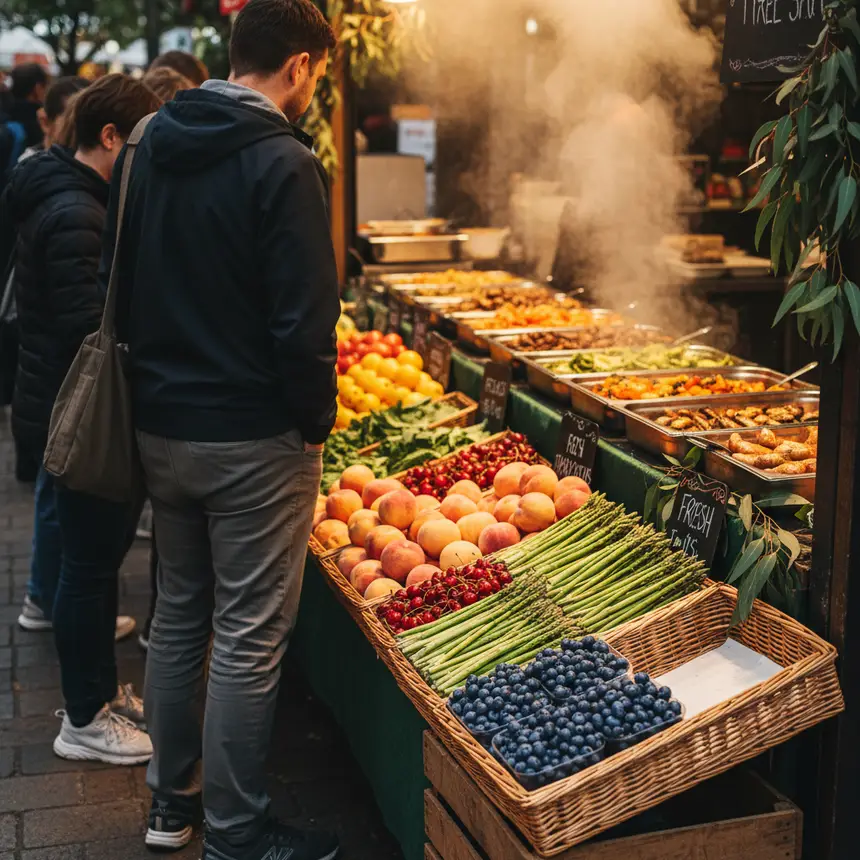
Australia is a foodie's paradise, offering an array of culinary experiences. Dining out at a casual restaurant typically costs around $15-25 AUD per person. To save money while still enjoying delicious meals, consider visiting local markets for fresh produce and cooking your own dishes. You’ll find seasonal delights like flat peaches (often called donut peaches), and consistently fresh berries such as blueberries, cherries, and raspberries, alongside crisp asparagus and mushrooms. For snacks, definitely try 'Pods' biscuits, especially the Mars flavor, which is a local favorite. Don't forget to explore unique local souvenirs like kangaroo or crocodile jerky, often found in supermarkets or souvenir shops. While these can be pricey, typically exceeding $15-20 AUD per pack, they offer a truly unique Australian taste experience.
※ This post contains affiliate links. I may earn a commission at no extra cost to you.

Navigating Your Australian Travel Budget: Exchange Rates and Card Strategies
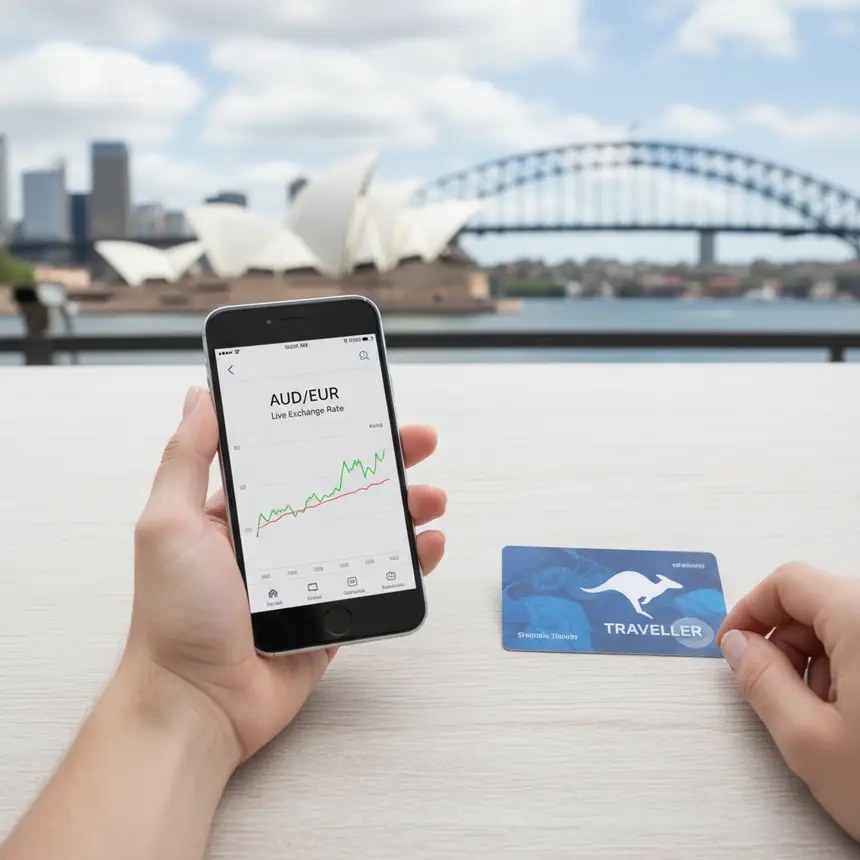
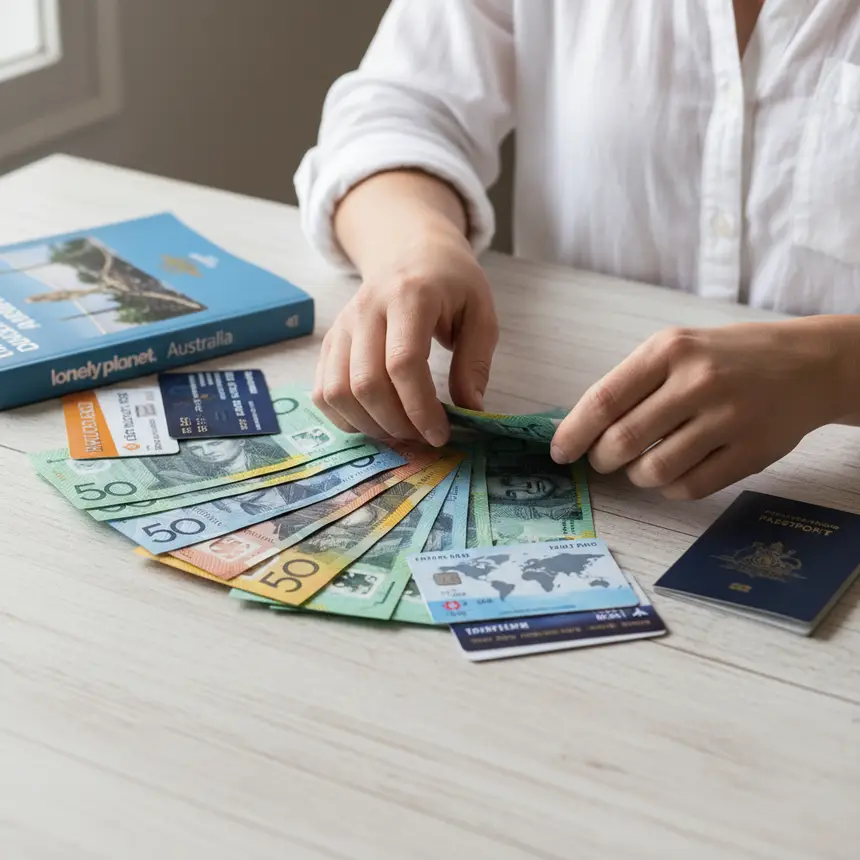
Effectively managing your budget for an Australian trip involves understanding the Australian dollar's exchange rate volatility. The AUD has seen considerable shifts over the past year, with notable changes compared to early 2025. When exchanging currency via mobile apps, it's wise to monitor real-time rates and consider converting when the rate aligns with your target. You might be surprised at how little cash you’ll need. Australia is a largely cashless society, and most expenses can be covered by card. Carrying a small amount, perhaps $70-80 USD equivalent in AUD, for minor purchases or emergencies should suffice. Keep in mind that local banks might not always have AUD on hand, so airport exchanges can be an option for small amounts. If you plan to use an ATM with your travel card, remember to select 'cheque' or 'savings' and enter a 6-digit PIN; often, adding '00' to your usual 4-digit PIN works. When selecting travel cards, many options offer competitive exchange rates and convenience. It's often recommended to use separate cards for public transport and main purchases to avoid any potential issues with transfer benefits. For a family of four, budgeting around $200-250 USD per day is a reasonable estimate, assuming meal costs of approximately $70-80 USD per meal for the family, or about $15-20 USD per person. Kids' meal portions are often priced similarly to adults. Utilizing local markets for groceries can significantly cut down on food expenses, allowing you to splurge on more dining experiences on other days.
Essential Tips for a Seamless Australian Journey
To ensure a smooth and enjoyable trip to Australia, a few extra tips can be invaluable. First, continuously monitor exchange rates, even during your trip, as they can be unpredictable. This allows for flexible budget adjustments. Second, carry multiple travel cards or a backup credit card to be prepared for any unforeseen circumstances. Third, when using unfamiliar ATMs, always be aware of your surroundings and prioritize security. Australia is highly recommended for families, culinary explorers, and anyone seeking unforgettable memories amidst vast natural beauty. Actively using local markets for fresh produce and relying on public transportation are excellent ways to save money while immersing yourself in the local culture. Embrace the diverse charms Australia offers, all while managing your budget smartly for a truly enriching experience.
Frequently Asked Questions
Q. How much cash should I carry for my trip to Australia?
A. Australia is very card-friendly, so you don't need much cash. Carrying about $70-80 USD equivalent in Australian dollars for small purchases or emergencies is usually plenty. Most expenses can be handled with a travel card or credit card.
Q. What should I know about using ATMs in Australia with my travel card?
A. When withdrawing money from an Australian ATM using a travel card, you'll typically need to select 'cheque' or 'savings'. Also, many ATMs require a 6-digit PIN, so try adding '00' to the end of your usual 4-digit PIN if prompted.
Q. When is the best time to exchange currency for Australian dollars?
A. The Australian dollar exchange rate can be quite volatile. It's advisable to monitor real-time rates through mobile apps and consider exchanging smaller amounts when the rate reaches your target, rather than doing it all at once.
Q. Are there specific travel cards recommended for US travelers going to Australia?
A. Many multi-currency travel cards (like those from Revolut, Wise, or specific bank-issued travel cards) offer competitive rates. The key is to find one with low or no foreign transaction fees. It's also smart to keep a separate card for public transport from your main payment card.
Q. How can a family effectively budget for meals and daily expenses in Australia?
A. For a family of four, budgeting around $200-250 USD per day is a good starting point. This includes about $70-80 USD per meal. You can significantly reduce food costs by buying groceries from local markets and preparing some meals yourself. Factor in children's meals at a similar cost to adults.