Your complete guide to renting a car in Okinawa for a 5-day trip! Learn about costs, efficient pickup, drop-off, and fueling tips.
Get essential advice for a stress-free Okinawa road trip and plan your perfect island adventure.

Navigating Okinawa: Why a Rental Car is Your Best Travel Companion
Okinawa, with its stunning azure waters and unique cultural heritage, beckons travelers from around the globe. While public transportation is available, nothing beats the freedom and flexibility a rental car offers, especially for families or groups exploring this beautiful Japanese island. Imagine effortlessly reaching secluded beaches, the majestic Churaumi Aquarium in the north, or the serene parks in the south, all at your own pace. However, for those new to renting a car abroad, questions about costs, pickup and return procedures, and fueling can feel a bit overwhelming. This guide aims to demystify the entire Okinawa car rental process, providing essential information and practical tips to ensure your trip is smooth and worry-free.
Okinawa Car Rental Essentials: Costs, Pickup, Return, and Fueling Explained
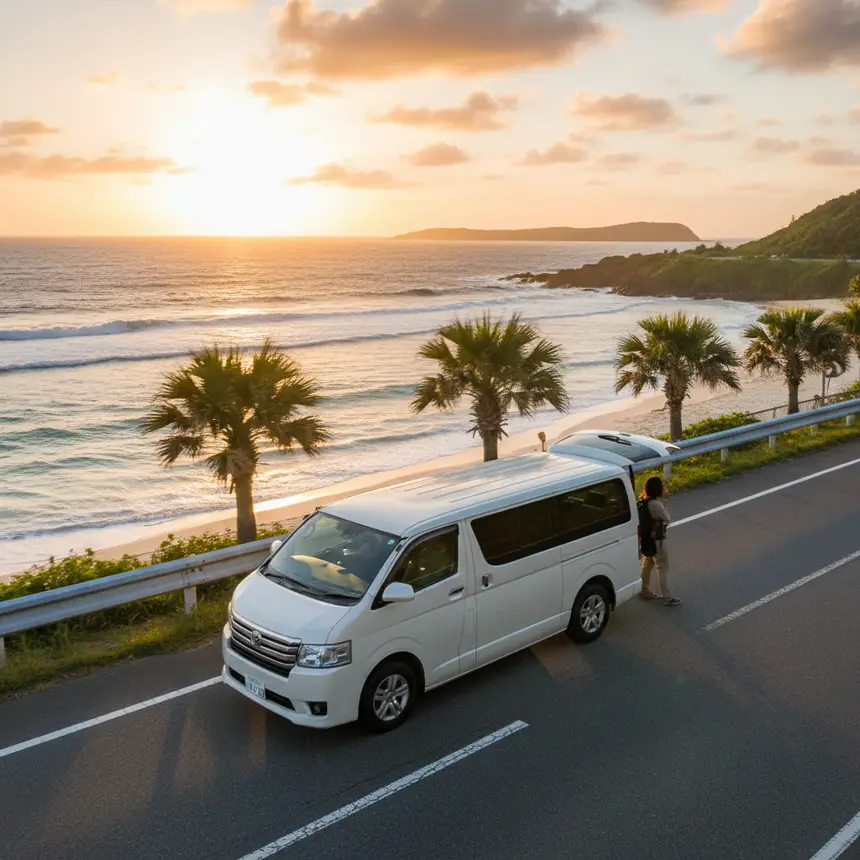
Securing the right vehicle at a reasonable price and understanding the logistics of pickup and return are key to a stress-free Okinawa adventure. For a typical 5-day trip, families with 5-6 adults and 1-2 children often opt for an 8-seater minivan. Expect to pay around $60-$70 USD per day for such a vehicle, including full-coverage insurance. This would bring the total rental cost for a 5-day period to roughly $300-$350 USD. When choosing a vehicle, always consider your luggage; if you have four or more suitcases, prioritize trunk space over just seating capacity.
- Pickup and Drop-off Procedures: Most rental agencies are conveniently located near Naha Airport and provide complimentary shuttle services. Arriving a little early for your scheduled pickup time can help ensure a relaxed start. Upon receiving your vehicle, it's crucial to thoroughly document its condition with photos or videos, both inside and out. Noticing and recording even minor scratches can prevent disputes when you return the car. Most companies operate on a 'full-to-full' fuel policy, meaning you'll need to return the car with a full tank. Plan your final day's itinerary to include a stop at a gas station before drop-off.
- Fueling and Toll Roads: Gas stations in Okinawa are similar to those in the US, with self-service options often being slightly cheaper than full-service. If you're unfamiliar with the pump operation, don't hesitate to ask an attendant for help. Toll roads are common, especially when heading to northern attractions like the Churaumi Aquarium or Kouri Island. You can typically pay tolls with a credit card or cash. For a short 5-day trip, an ETC (Electronic Toll Collection) card isn't strictly necessary; paying as you go is usually sufficient. Driving along scenic coastal routes, such as those leading to Miyagi Island in the east or Chinen Misaki Park in the south, is one of the true joys of exploring Okinawa by car.
※ This post contains affiliate links. I may earn a commission at no extra cost to you.

Your Checklist for a Safe and Enjoyable Okinawa Road Trip
While renting a car in Okinawa offers unparalleled convenience and freedom, a smooth, safe journey requires a bit of preparation and awareness.
By following these essential tips, you'll be well-prepared to explore Okinawa's stunning landscapes and create unforgettable memories on its open roads.
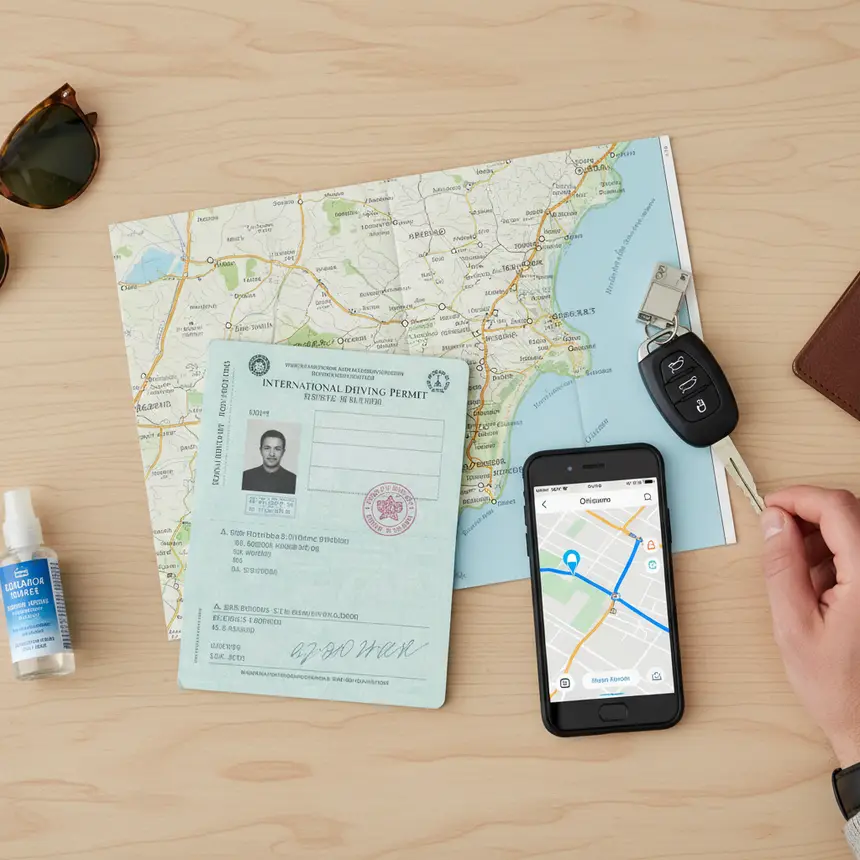
- Prepare Your Documents: An International Driving Permit (IDP) and your passport are mandatory for vehicle pickup. Ensure your IDP is valid before you travel and keep it with your passport.
- Understand Your Insurance: Carefully review the type and coverage limits of the insurance included with your rental. Consider opting for additional coverage, such as a full waiver (CDW/LDW), for complete peace of mind.
- Inspect the Vehicle Thoroughly: Before leaving the rental lot, conduct a detailed inspection of the car's exterior for any existing dents or scratches and test interior functions like the AC, navigation system, and lights. Report any issues immediately and have them noted on your rental agreement.
- Familiarize Yourself with Local Driving Rules: Remember, Japan drives on the left side of the road, and the steering wheel is on the right. Get acquainted with local traffic laws, including intersection rules, speed limits, and parking regulations, to ensure safe driving.
- Get Comfortable with Navigation: Most rental cars come with a GPS. Take a few minutes before you start your journey to learn how to input destinations and operate the system; this will save you time and stress on the road.
- Confirm Fuel Policy: While 'full-to-full' is standard, always confirm the specific fuel return policy with your rental company. Ensure the tank is filled according to their requirements to avoid any unexpected charges.
By following these essential tips, you'll be well-prepared to explore Okinawa's stunning landscapes and create unforgettable memories on its open roads.
Frequently Asked Questions
Q. Is car rental insurance mandatory in Okinawa?
A. While not always legally mandatory beyond basic liability, it's highly recommended for a worry-free trip. Opting for full-coverage insurance (which waives your deductible in case of an accident) is a smart choice to protect yourself against unforeseen circumstances.
Q. What should I check when picking up my rental car in Okinawa?
A. Carefully inspect the vehicle's exterior for any existing scratches or dents with the rental agent, and document them with photos or videos. Also, test interior functions like the air conditioning, navigation system, and lights to ensure everything is working correctly.
Q. Do I need an ETC card for a 5-day Okinawa trip?
A. An ETC card isn't essential for a short trip. You can easily pay tolls with a credit card or cash as you go. For casual touring without extensive long-distance highway driving, an ETC card is usually not necessary.
Q. How do I refuel my rental car in Okinawa?
A. Most rental companies operate on a 'full-to-full' policy, meaning you pick up the car with a full tank and must return it full. Okinawa has both self-service and full-service gas stations, with self-service options generally offering slightly lower prices.