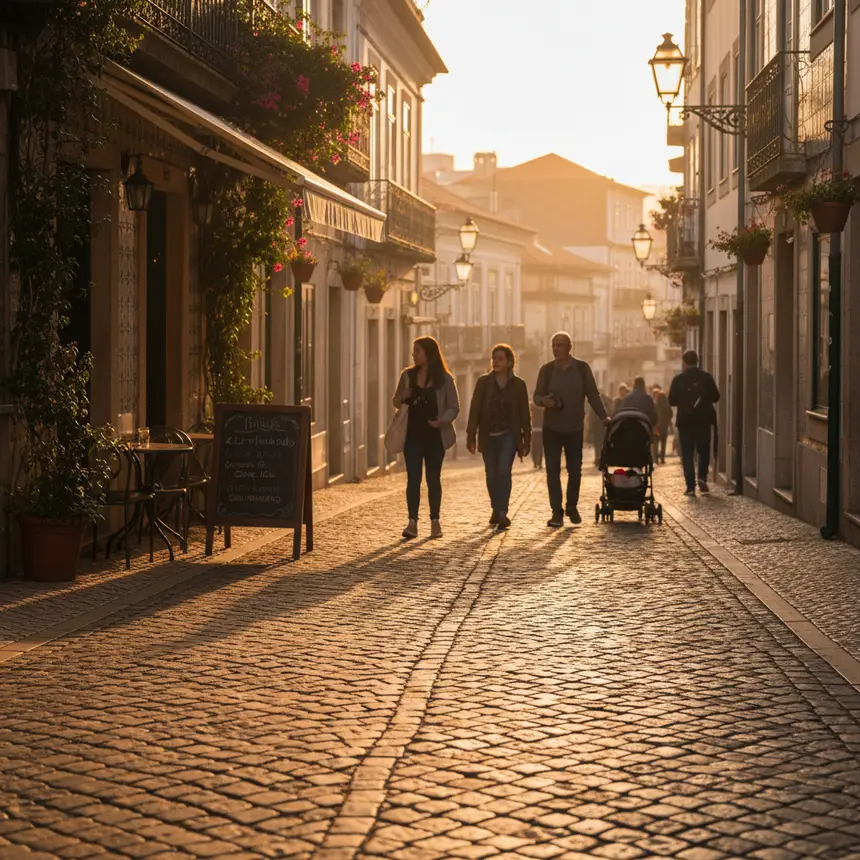
Embark on your dream European train journey to Budapest, Hungary, with a rail pass. This guide provides practical transport tips from Keleti Station to the city center and highlights Budapest's unique charm for an unforgettable trip.

Discovering Budapest: The Enchanting Heart of Europe
Nestled in the center of the European continent, Budapest, the capital of Hungary, truly lives up to its nickname as the 'Paris of Eastern Europe.' Its grand architecture, unique thermal bath culture, and the mesmerizing evening glow of the Danube River are sure to captivate any visitor. The efficient European railway network further enhances this travel experience, making it easy to hop between cities. Utilizing a rail pass, such as Eurail, offers both convenience and cost-effectiveness, allowing you to freely explore various European cities and connect seamlessly to Budapest. Far from being just a transit point, Budapest itself promises a deeply moving journey. If you're planning a European rail adventure, consider making Budapest a central hub in your itinerary to fully immerse yourself in its charm.
The Diverse Charms of Budapest: Must-See Sights and Culinary Delights
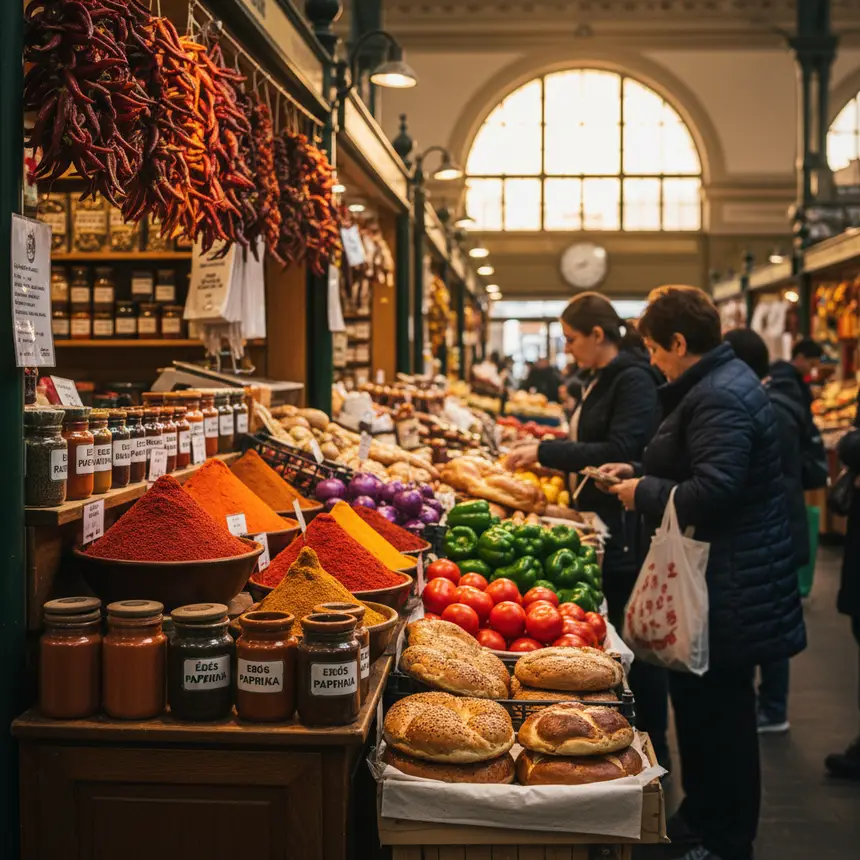
Budapest is elegantly divided by the Danube River into two distinct sides: the historic Buda and the lively Pest. On the Buda side, sites like Matthias Church and Fisherman's Bastion transport you back to the medieval era, offering breathtaking panoramic views of the Pest side. In Pest, you'll encounter the majestic Parliament Building, sophisticated shopping districts, and eclectic ruin bars. The culinary scene is equally compelling; from hearty goulash to street food like lángos and sweet chimney cakes, there’s a dish to satisfy every palate. The city's thermal bath culture is iconic, with a visit to Széchenyi or Gellért baths offering a unique way to relax and rejuvenate from your travels. For a truly immersive cultural and culinary experience in Budapest, I recommend visiting a local market soon after you arrive to soak in the atmosphere and discover local ingredients.
※ This post contains affiliate links. I may earn a commission at no extra cost to you.

Practical Tips: From Budapest Keleti Station to Your City Center Destination
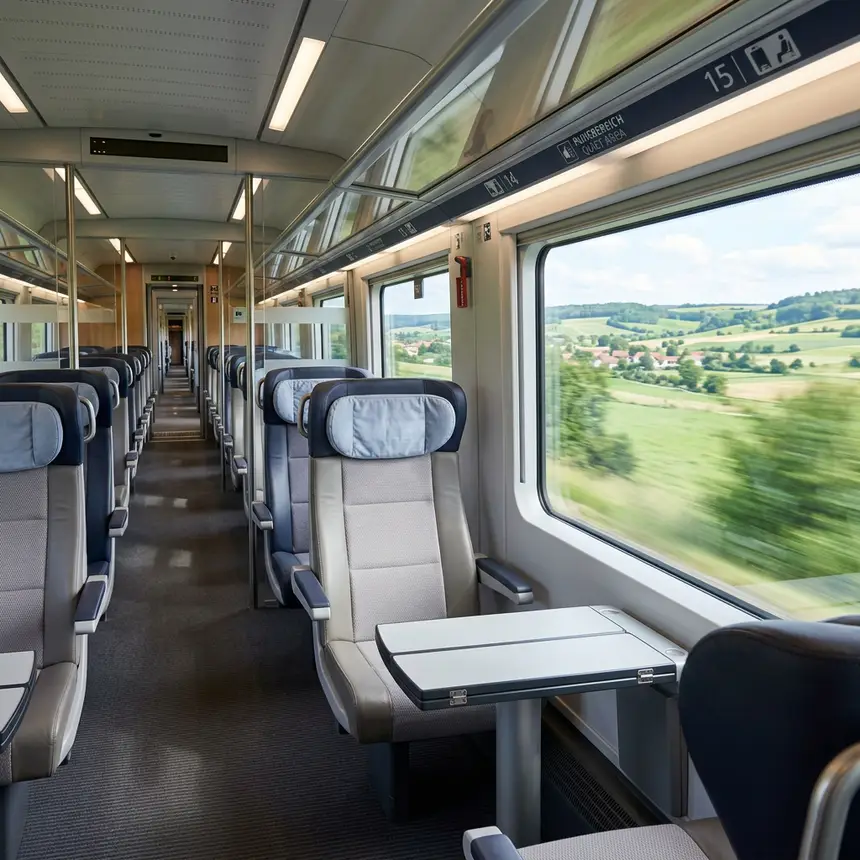
The modern rail pass experience, a cornerstone of European train travel, is now managed conveniently through a mobile app. After selecting your pass type (flexi or continuous) and registering it in the app, you can generate QR codes for your journeys, which serve as your tickets. Seat reservations are optional; while they incur an extra fee, they guarantee a spot, especially on busy routes. For instance, a train journey to Budapest from a neighboring country typically takes around three hours. Upon arrival at Keleti Station, Budapest's grand main railway hub, you can easily plan your onward journey using the station's display boards or your mobile app. The most efficient way to reach the city center is via the M2 metro line, which connects directly from Keleti and drops you off near major attractions. Buses and trams also offer extensive routes. If you're traveling light and the weather is pleasant, a scenic 30-minute walk to the Danube riverside can be a great way to get acquainted with the city. For public transport, it’s wise to have some Hungarian Forint (HUF) cash or a credit card ready. To ensure a smooth transition, downloading Google Maps or a local public transport app beforehand to pre-plan your route is a smart move.
Essential Advice for a Safe and Enjoyable Trip to Hungary
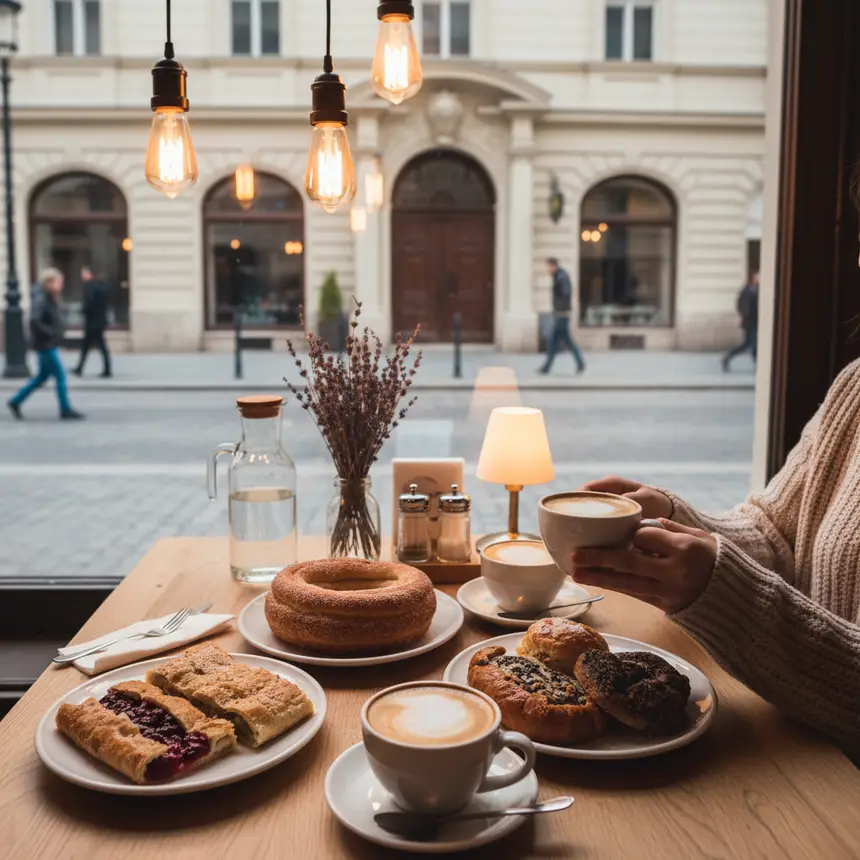
Budapest is generally a safe city for tourists, but like any major urban destination, basic precautions are advisable. Be particularly mindful of your belongings in crowded tourist areas and on public transport, as pickpocketing can occur. It’s best to keep important items like your passport and wallet secured close to your body and avoid unnecessary display of valuables. At night, steer clear of dimly lit, deserted streets and stick to well-lit, populated areas. By following these simple guidelines, most travelers will have a trouble-free and delightful experience. Budapest is highly recommended for history and culture enthusiasts, architecture lovers, those seeking relaxation in thermal baths, and budget-conscious explorers. It’s also an excellent choice for anyone planning a multi-country European journey by train. Always stay aware of your surroundings and show respect for local customs to enrich your travel experience even further.
Frequently Asked Questions
Q. How do I activate and use a rail pass for European travel?
A. You activate your rail pass by downloading the official mobile app, registering your pass serial number, and adding your travel segments. Before each train journey, you'll generate a QR code within the app to serve as your ticket.
Q. Are seat reservations required for trains to Budapest?
A. Seat reservations are typically optional on most European routes. You can usually pay an additional fee to reserve a seat in advance, but many trains also have unreserved carriages. It depends on your preference and budget, though reserving is recommended during peak season or on popular routes.
Q. What's the best way to get from Keleti Station to Budapest city center?
A. The quickest and most convenient way to reach the city center (e.g., Deák Ferenc Square) from Keleti Station is by taking the M2 (red line) metro. It's directly accessible from the station's underground level and will get you to most major attractions swiftly.
Q. How should I handle currency exchange when visiting Budapest?
A. The local currency in Hungary is the Forint (HUF). While credit cards are widely accepted in most shops and restaurants, you might need cash for smaller purchases or public transport tickets. A common strategy is to exchange a small amount of Euros for Forints upon arrival, or use an international debit card to withdraw cash from ATMs.
Q. What are some tips to prevent pickpocketing in Budapest?
A. In crowded tourist areas and on public transport, wear your bag in front of you, and keep your wallet and phone in an inside pocket rather than an easily accessible outer one. Avoid carrying excessive amounts of cash and distribute your valuables in different places to minimize risk.