Punakha Dzong in Bhutan is a mystical fortress-monastery at a sacred river confluence. Explore its rich history, stunning architecture, and essential tips for visiting one of Bhutan's most beautiful and significant sites. Learn about respectful travel etiquette and the best times to visit this spiritual landmark.

Embarking on a Quest for Bhutan's Hidden Jewel in the Himalayas
Many travelers dream of escaping the ordinary, seeking adventures that resonate deeply with their soul. Tucked away in the majestic Himalayas, Bhutan beckons with its pristine natural beauty and unique cultural tapestry, a true allure for those yearning for something different. Yet, with so many enchanting sites, deciding where to begin your exploration of Bhutan's authentic spirit can be a delightful dilemma. This is precisely where Punakha Dzong steps in as a compelling answer. This architectural marvel seamlessly blends ancient history with breathtaking natural wonders, representing the very essence of Bhutan. More than just a structure, Punakha Dzong offers a profound journey into the kingdom's past, present, and hints of its future. Prepare to start a truly extraordinary adventure.
Punakha Dzong: An Unforgettable Experience in the Heart of Bhutan
Punakha Dzong is far more than just a temple or a fortress; it's a living testament to Bhutan's spirit and history. Let's delve into why this site is consistently hailed as a true highlight of any Bhutanese journey.
Where Two Rivers Embrace: Architectural Brilliance in Nature's Lap
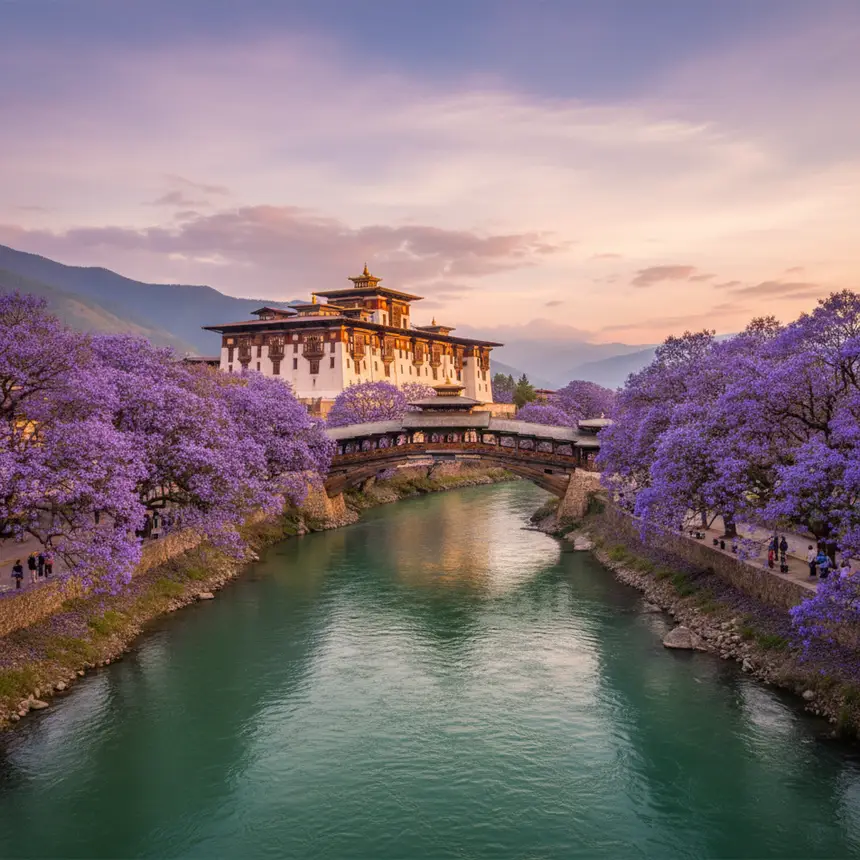
Perched on a narrow peninsula at the confluence of two sacred rivers, the 'Pho Chhu' (Father River) and 'Mo Chhu' (Mother River), Punakha Dzong boasts a unique and strategic location. This river-embraced setting not only served as an ideal defensive stronghold but also holds profound significance in traditional geomancy. In spring, the surrounding jacaranda trees burst into a vibrant purple bloom, creating a breathtaking tableau against the emerald green rivers. The ancient wooden cantilever bridge leading to the dzong is an architectural marvel in itself, offering both a picturesque photo opportunity and a dramatic entryway into this revered space. A 'Dzong' in Bhutanese architecture is a grand structure built without a single nail, relying solely on wood, stone, and earth – a testament to ancient craftsmanship. Punakha Dzong stands out as one of the most magnificent and beautifully preserved examples.
A Living Legacy: Echoes of a Kingdom's History
Built in the 17th century by Zhabdrung Ngawang Namgyal, the unifier of Bhutan, Punakha Dzong served for centuries as the nation's capital and the epicenter of its political and religious life. It was the historical venue for the coronation of Bhutan's first king and, more recently, the royal wedding of the current monarch and his queen. Even after the capital moved to Thimphu, Punakha Dzong maintains its revered status as the winter residence of the Je Khenpo, Bhutan's Chief Abbot. Simply walking through its hallowed grounds provides a deep, moving connection to Bhutan's rich past.
Exploring the Sacred Spaces Within the Dzong
The interior of Punakha Dzong is divided into distinct monastic and administrative sections. Visitors can explore designated areas to witness the pinnacle of Bhutanese Buddhist art.
Where Two Rivers Embrace: Architectural Brilliance in Nature's Lap
Perched on a narrow peninsula at the confluence of two sacred rivers, the 'Pho Chhu' (Father River) and 'Mo Chhu' (Mother River), Punakha Dzong boasts a unique and strategic location. This river-embraced setting not only served as an ideal defensive stronghold but also holds profound significance in traditional geomancy. In spring, the surrounding jacaranda trees burst into a vibrant purple bloom, creating a breathtaking tableau against the emerald green rivers. The ancient wooden cantilever bridge leading to the dzong is an architectural marvel in itself, offering both a picturesque photo opportunity and a dramatic entryway into this revered space. A 'Dzong' in Bhutanese architecture is a grand structure built without a single nail, relying solely on wood, stone, and earth – a testament to ancient craftsmanship. Punakha Dzong stands out as one of the most magnificent and beautifully preserved examples.
A Living Legacy: Echoes of a Kingdom's History
Built in the 17th century by Zhabdrung Ngawang Namgyal, the unifier of Bhutan, Punakha Dzong served for centuries as the nation's capital and the epicenter of its political and religious life. It was the historical venue for the coronation of Bhutan's first king and, more recently, the royal wedding of the current monarch and his queen. Even after the capital moved to Thimphu, Punakha Dzong maintains its revered status as the winter residence of the Je Khenpo, Bhutan's Chief Abbot. Simply walking through its hallowed grounds provides a deep, moving connection to Bhutan's rich past.
Exploring the Sacred Spaces Within the Dzong
The interior of Punakha Dzong is divided into distinct monastic and administrative sections. Visitors can explore designated areas to witness the pinnacle of Bhutanese Buddhist art.
- The Machhen Lhakhang: This is the most sacred sanctuary, housing the embalmed remains of Zhabdrung Ngawang Namgyal. Its richly colored wooden carvings and intricate Thangkas (religious scroll paintings) showcase the zenith of Tibetan Buddhist artistry.
- The Grand Assembly Hall of One Hundred Pillars: Supported by a hundred massive pillars, this majestic hall is where monks conduct daily prayers and rituals. The detailed murals adorning each pillar and the hall's solemn atmosphere offer a profound glimpse into the depth of Bhutanese Buddhism.
※ This post contains affiliate links. I may earn a commission at no extra cost to you.

Smart Preparations for Your Sacred Visit to Punakha Dzong
To ensure you fully appreciate and respect Punakha Dzong, here are some practical tips and crucial considerations for your visit.
Discovering Seasonal Charms: Choosing Your Best Time to Visit
Punakha, situated at an elevation of approximately 1,200 meters (about 3,900 feet), enjoys a milder and more pleasant climate compared to Thimphu. It offers distinct charms throughout the year, allowing you to choose based on your preferred travel style.
Essential Guidelines and Etiquette for Traveling in Bhutan
Bhutan maintains unique travel regulations designed to protect its natural environment and rich culture. Understanding and adhering to these guidelines is key to an enriching travel experience.
1. Mandatory Licensed Guide: Independent travel in Bhutan is not permitted; you must travel with a government-licensed guide. This is part of Bhutan's high-value, low-impact tourism policy, aimed at preserving its culture and environment while ensuring visitors have a quality experience.
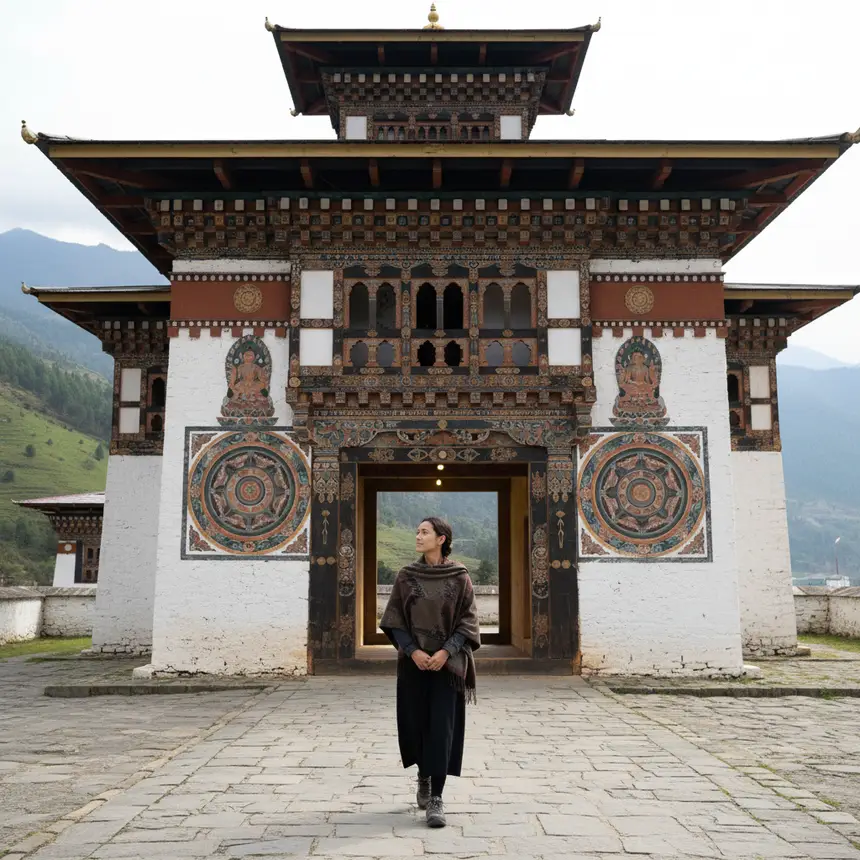
2. Respectful Dress Code: When visiting religious sites like the dzong, it's imperative to dress modestly. This means covering your shoulders and knees. It's a fundamental sign of respect for local culture and sacred spaces.
3. Photography Etiquette: While photography is generally allowed in most areas of the dzong, it may be restricted in certain sacred sections. Always follow your guide's instructions. When photographing monks or local people, it's courteous to ask for their permission first.
4. Connecting with Other Attractions: Punakha Dzong forms part of a truly comprehensive Bhutanese itinerary. Combining your visit with other iconic sites like Paro Taktsang (Tiger's Nest Monastery) and the capital city, Thimphu, will create an even more fulfilling and memorable journey.
Discovering Seasonal Charms: Choosing Your Best Time to Visit
Punakha, situated at an elevation of approximately 1,200 meters (about 3,900 feet), enjoys a milder and more pleasant climate compared to Thimphu. It offers distinct charms throughout the year, allowing you to choose based on your preferred travel style.
- Spring (March-May): This is when jacaranda trees are in full bloom, painting the landscape with vibrant purple hues. The weather is comfortably mild, ideal for combining your visit with light trekking.
- Autumn (September-November): Characterized by clear, crisp skies and golden fields, this season offers the best visibility for spectacular Himalayan views. It also coincides with significant cultural festivals.
- Winter (December-February): With fewer tourists, you can explore the dzong in a more tranquil setting and often observe the daily lives of the monks more closely.
Essential Guidelines and Etiquette for Traveling in Bhutan
Bhutan maintains unique travel regulations designed to protect its natural environment and rich culture. Understanding and adhering to these guidelines is key to an enriching travel experience.
1. Mandatory Licensed Guide: Independent travel in Bhutan is not permitted; you must travel with a government-licensed guide. This is part of Bhutan's high-value, low-impact tourism policy, aimed at preserving its culture and environment while ensuring visitors have a quality experience.
2. Respectful Dress Code: When visiting religious sites like the dzong, it's imperative to dress modestly. This means covering your shoulders and knees. It's a fundamental sign of respect for local culture and sacred spaces.
3. Photography Etiquette: While photography is generally allowed in most areas of the dzong, it may be restricted in certain sacred sections. Always follow your guide's instructions. When photographing monks or local people, it's courteous to ask for their permission first.
4. Connecting with Other Attractions: Punakha Dzong forms part of a truly comprehensive Bhutanese itinerary. Combining your visit with other iconic sites like Paro Taktsang (Tiger's Nest Monastery) and the capital city, Thimphu, will create an even more fulfilling and memorable journey.
Frequently Asked Questions
Q. What's the best time of year to visit Punakha Dzong?
A. Spring (March-May) is often considered the most beautiful, as jacaranda trees bloom, creating a vibrant purple landscape. Autumn (September-November) offers clear skies and excellent Himalayan views. Winter (December-February) provides a quieter experience with fewer tourists.
Q. Are there specific dress requirements for visiting Punakha Dzong?
A. Yes, when visiting Punakha Dzong and other religious sites in Bhutan, it's essential to dress modestly. This means ensuring your shoulders and knees are covered as a sign of respect for the local culture and sacredness of the place.
Q. Why is it mandatory to have a licensed guide when traveling in Bhutan?
A. Bhutan enforces a policy of guided travel to uphold its sustainable, high-value, low-impact tourism strategy. This helps preserve the country's unique culture and environment, while also ensuring visitors have a safe and enriching experience.
Q. Am I allowed to take photos inside Punakha Dzong?
A. Photography is generally permitted in many areas of Punakha Dzong. However, certain sacred sections, such as the Machhen Lhakhang where Zhabdrung's remains are kept, may have strict photography restrictions. Always follow your guide's instructions.
Q. How does Punakha's climate compare to other major Bhutanese cities like Thimphu or Paro?
A. Punakha is situated at a lower altitude (around 1,200m or 3,900ft) compared to Thimphu (around 2,320m or 7,600ft) and Paro (around 2,200m or 7,200ft). This results in a much milder and warmer climate, making Punakha a more comfortable destination, especially during the winter months.