Park Güell in Barcelona is a UNESCO World Heritage site showcasing Antoni Gaudí's unique artistic vision. This guide covers the park's main attractions, essential visiting tips, transportation details, and architectural highlights not to be missed. Discover everything you need to know for a perfect visit to this iconic Barcelona landmark.

Discovering the Enchanting Charm of Park Güell in Barcelona
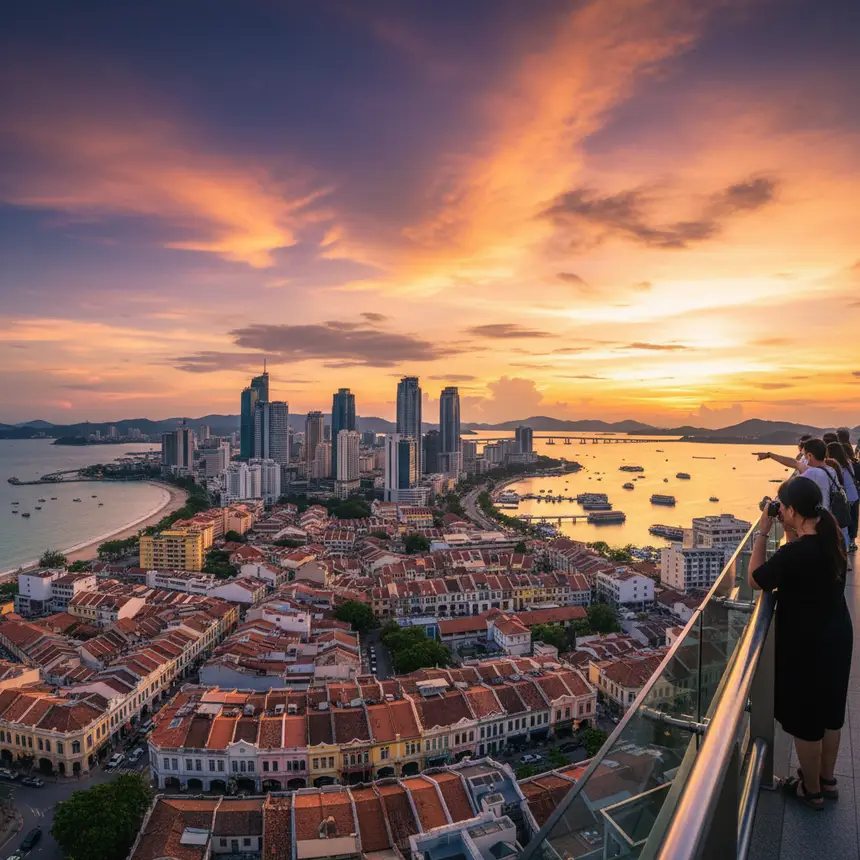
Nestled in the vibrant city of Barcelona, Park Güell stands as a testament to the extraordinary vision of Antoni Gaudí, one of the world's most renowned architects. More than just a park, this UNESCO World Heritage site is a harmonious blend of architectural marvels and natural landscapes. Visitors are instantly captivated by its whimsical, fairytale-like atmosphere, characterized by vibrant mosaic tile work and beautifully flowing, organic forms. Perched atop Carmel Hill, the park also offers breathtaking panoramic views of Barcelona's cityscape stretching out to the glistening Mediterranean Sea. To truly soak in its serene and mystical ambiance, consider planning your visit during the tranquil early morning hours or as the sun begins to set.

An Architectural Journey Through Gaudí's Park Güell Masterpieces
Every corner of Park Güell reveals Gaudí's genius and innovative spirit through its diverse architectural elements. Iconic features like the mosaic salamander fountain and the undulating benches that encircle the main square exemplify the 'Trencadís' technique, using broken ceramic pieces to create vibrant, intricate patterns. This method not only showcases Gaudí's artistic flair but also his commitment to natural beauty. The central 'Hypostyle Room,' originally conceived as a market for the planned residential community, is supported by 86 massive columns. These columns are not merely structural; they ingeniously double as part of a rainwater collection system, channeling water to an underground reservoir—a testament to Gaudí's practical design philosophy. For unparalleled vistas, ascend to 'Turó de les Tres Creus' (The Hill of Three Crosses), the highest point in the park, offering a spectacular panoramic view of Barcelona. The unique stone towers and crosses here reflect Gaudí's deep spirituality and experimental approach to architecture. Understanding the stories behind these structures enriches the experience significantly.
※ This post contains affiliate links. I may earn a commission at no extra cost to you.


Essential Practical Information and Tips for Visiting Park Güell
To make the most of your visit to Park Güell, some prior planning is beneficial. The park is conveniently accessible from Barcelona's city center via public transport. A metro or bus ride typically takes about 20-30 minutes, and comfortable walking shoes are highly recommended as you'll likely have a short walk from the stop to the park entrance. To fully appreciate the park without feeling rushed, allocating at least 3 to 4 hours for your visit is ideal. During peak season or weekends, the park can get very crowded, so purchasing your entrance tickets in advance online is a smart move to save time. Since much of the park is exposed to the sun, remember to bring a hat, sunglasses, and sunscreen. Given its hillside location, there are many uphill paths and stairs, so staying hydrated with a water bottle is also a good idea. Always check the official website for the latest operating hours and information before your trip to ensure a smooth experience.

Who Should Visit Park Güell? And Key Things to Keep in Mind
Park Güell is an ideal destination for anyone with an appreciation for architectural artistry, particularly those drawn to Gaudí's unique and whimsical style. Artists and designers seeking inspiration from its distinctive blend of design and nature will find it particularly rewarding. It's also a fantastic spot for photography enthusiasts looking to capture breathtaking landscapes and for families wishing to create magical memories in a fairytale-like setting. When visiting, please note that eating or smoking is prohibited outside designated areas to preserve the cultural heritage. The park features many sloped paths and staircases, so visitors with young children or those with mobility concerns should review the park's accessibility map beforehand. As with any popular tourist attraction, be mindful of your personal belongings, especially in crowded areas, to prevent petty theft. Ultimately, the best way to fully immerse yourself in the beauty of Park Güell is to approach your visit with a relaxed and open mind.
Frequently Asked Questions
Q. When is the best time to visit Park Güell in Barcelona?
A. Park Güell is enjoyable year-round, but spring (April-May) and autumn (September-October) offer the most pleasant weather and fewer crowds. For the most tranquil experience, aim to arrive right when the park opens in the early morning.
Q. How much time should I set aside for a visit to Park Güell?
A. To comfortably explore the entire park, admire Gaudí's architecture, and take photos, you'll generally need about 3 to 4 hours. If you're only planning to see the main highlights quickly, you might be able to do it in about 2 hours.
Q. What are the must-see attractions inside Park Güell?
A. Don't miss the main square with its famous mosaic benches, the iconic mosaic salamander, the Hypostyle Room, and the 'Turó de les Tres Creus' for panoramic views of Barcelona. The fairytale-like gatehouses near the entrance are also essential stops.
Q. What's the best way to get to Park Güell using public transport?
A. From central Barcelona, taking a bus is often the most convenient option. Bus lines like V19 or 24 will take you quite close to one of the park entrances. If you take the metro, expect a 15-20 minute uphill walk from the nearest station.
Q. What was the original purpose of Park Güell?
A. Park Güell was originally conceived as an exclusive housing estate for wealthy families, commissioned by Count Eusebi Güell and designed by Gaudí. Due to lack of buyers, the project was unfinished and later purchased by the Barcelona City Council, eventually opening as a public park.