Plan your unforgettable Egypt trip to the Giza Pyramids and Sphinx with our comprehensive guide.
Find essential ticket information, efficient travel tips, and practical advice for a truly memorable experience.

Dreaming of the Ancients: Exploring Egypt's Pyramids and Sphinx
Imagine standing before colossal structures that have defied time for millennia, rising majestically from the vast desert sands. This is the enduring allure of Egypt travel, where the iconic Pyramids of Giza and the enigmatic Sphinx stand as testaments to human ingenuity and a captivating ancient civilization. What secrets do these monumental marvels hold, and how can you best experience their grandeur? This guide offers practical insights to help you navigate a memorable tour of Egypt's most famous landmarks. Prepare to embark on an extraordinary journey into the heart of ancient Egyptian culture and history.
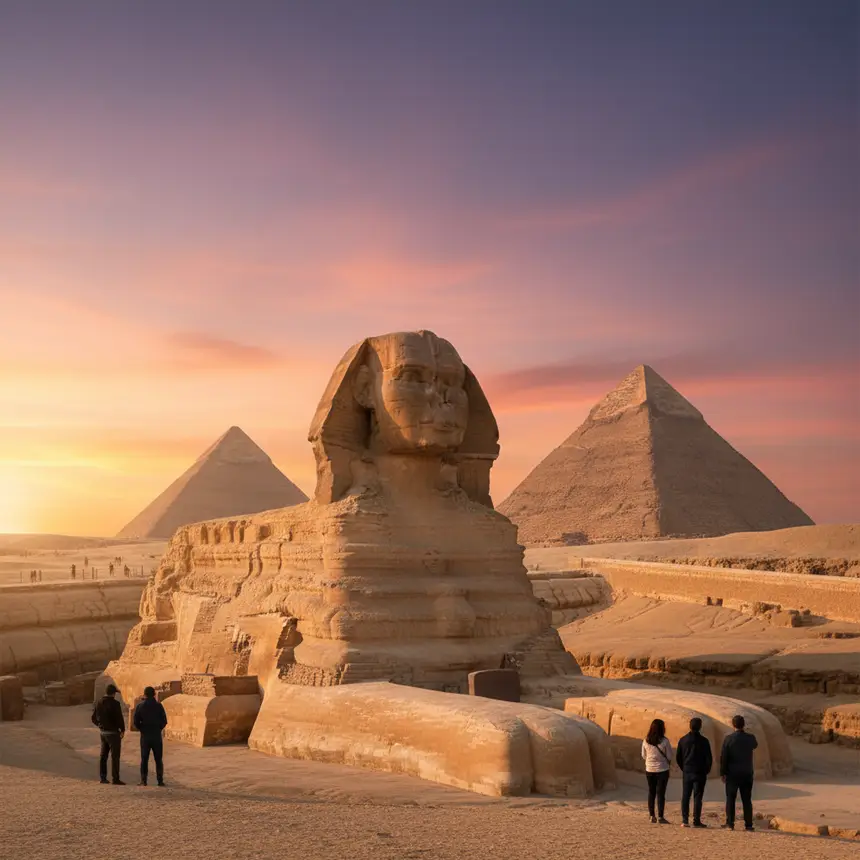
The Timeless Allure of the Giza Necropolis
The Giza Necropolis is far more than just a collection of massive stones; it's a vibrant open-air museum showcasing the incredible architectural prowess and spiritual beliefs of the ancient Egyptians. Dominated by the Great Pyramid of Khufu, one of the Seven Wonders of the Ancient World, alongside the pyramids of Khafre and Menkaure, and the mysterious Great Sphinx, this site commands respect and wonder. Situated on the west bank of the Nile River, it symbolized the ancient Egyptians' connection to the afterlife. The sheer scale of the pyramids and the Sphinx is simply breathtaking, leaving visitors with a profound sense of awe. Here, you can truly connect with the echoes of a civilization that shaped history.
※ This post contains affiliate links. I may earn a commission at no extra cost to you.

Your Essential Guide to the Pyramids and Sphinx Tour: Detailed Information
Planning your tour of the Giza Pyramids and Sphinx requires understanding the key entry options. Generally, there are two main types of tickets:
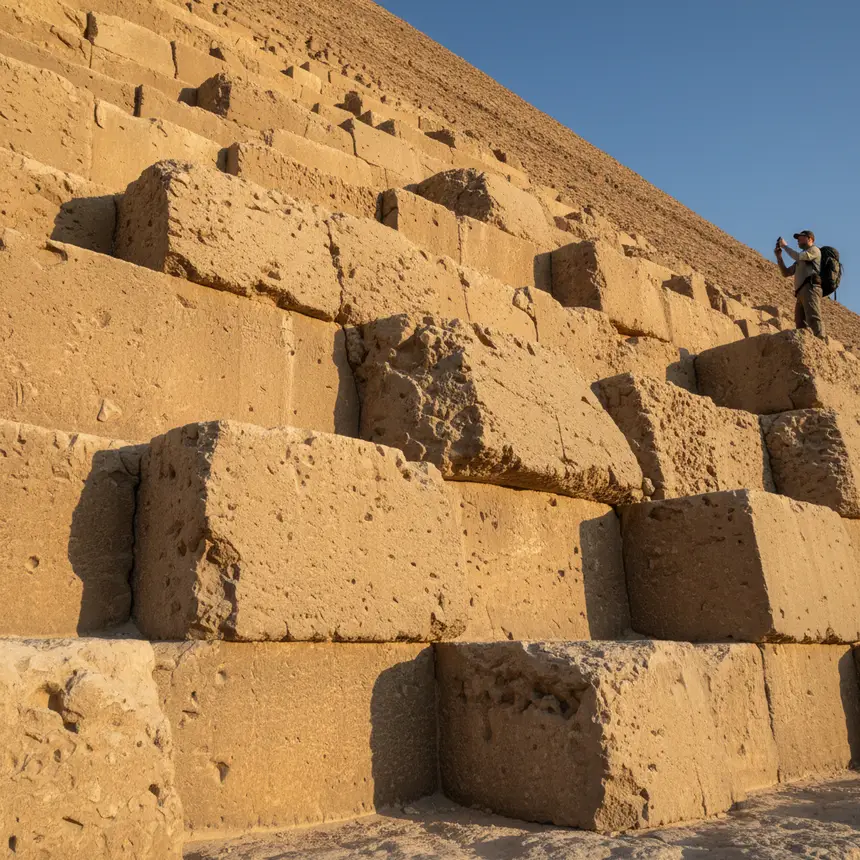
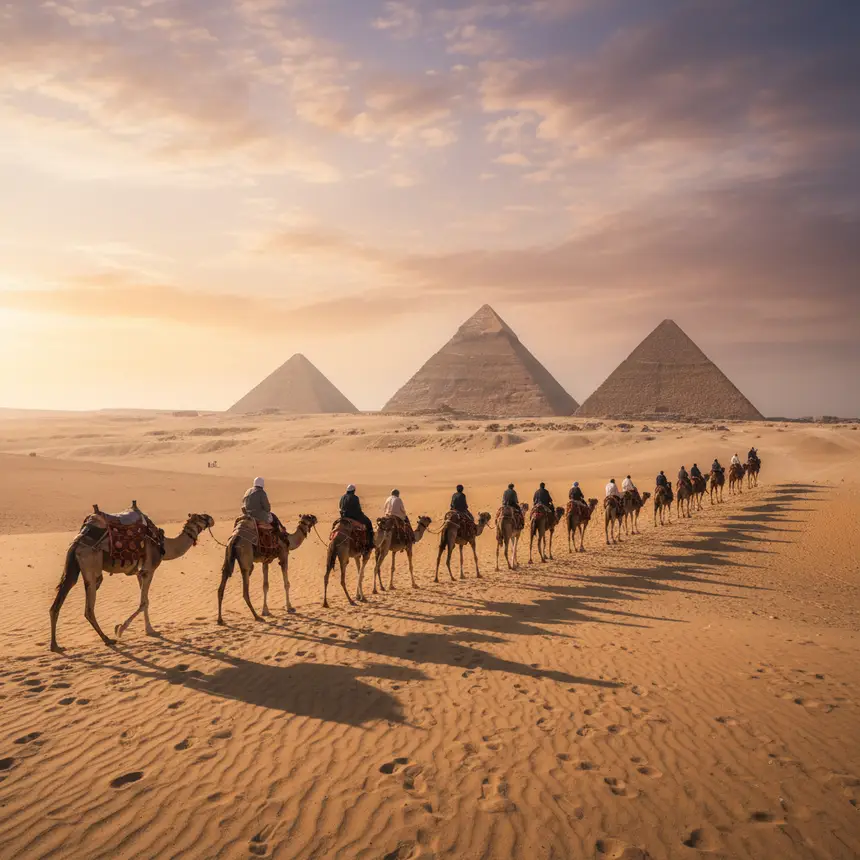
Historical accounts suggest that the strategic location of Giza along the Nile River played a pivotal role in transporting the colossal stones used in pyramid construction. Ancient Egyptians masterfully carved these stones and meticulously fitted them together like an intricate puzzle. During your visit, make sure to capture memorable photos in front of the Sphinx and from the panoramic viewpoint, where you can even pose with camels. A local guide can be invaluable in navigating these prime photo opportunities. Always confirm current ticket prices locally, as exchange rates can fluctuate.
- General Area Ticket: This ticket grants access to the entire Giza plateau, allowing you to view the Sphinx and the exterior of all pyramids. It typically costs around 700 Egyptian Pounds (EGP).
- Khufu Pyramid Interior Ticket: For those wishing to venture inside the Great Pyramid of Khufu, a separate ticket, costing approximately 1500 EGP, is required. While the interior chambers are largely empty, this offers a unique perspective on ancient engineering. Be prepared for a narrow, steep ascent of roughly 200 steps and high humidity levels (around 95%). Assess your physical condition before opting for this experience.
Historical accounts suggest that the strategic location of Giza along the Nile River played a pivotal role in transporting the colossal stones used in pyramid construction. Ancient Egyptians masterfully carved these stones and meticulously fitted them together like an intricate puzzle. During your visit, make sure to capture memorable photos in front of the Sphinx and from the panoramic viewpoint, where you can even pose with camels. A local guide can be invaluable in navigating these prime photo opportunities. Always confirm current ticket prices locally, as exchange rates can fluctuate.
Practical Tips and Budgeting for an Unforgettable Egyptian Journey
To fully appreciate the Giza Pyramids, plan for a half-day visit, typically 3 to 4 hours, if you're focusing on the main attractions like the Sphinx and the Great Pyramids.
- Consider a Local Guide: Engaging a knowledgeable local guide can significantly enhance your experience, providing fascinating historical context and cultural insights. Guides can help you navigate efficiently and uncover hidden stories of the ancient sites. Guide fees often vary based on group size, with smaller groups generally incurring a higher per-person cost. Larger groups can benefit from more economical rates per individual.
- Essential Packing List: The desert sun is intense, so sunglasses, a wide-brimmed hat, and high-SPF sunscreen are non-negotiable. Wear comfortable walking shoes, as you'll be covering a lot of ground. Carry plenty of water to stay hydrated; some guides might even provide chilled bottles.
- Best Time for Photography: Early mornings (before 9 AM) or late afternoons offer softer light and longer shadows, ideal for stunning photographs. The panoramic viewpoint, in particular, provides incredible opportunities to capture the pyramids, the Sphinx, and the vast desert landscape in their full glory.
- Budgeting: Beyond ticket costs, factor in guide fees, transportation (taxis or rideshares), and expenses for meals and drinks. It's wise to have an estimated currency exchange plan and carry sufficient Egyptian Pounds (EGP) for local purchases.
Experience the Enduring Legacy of Ancient Egypt
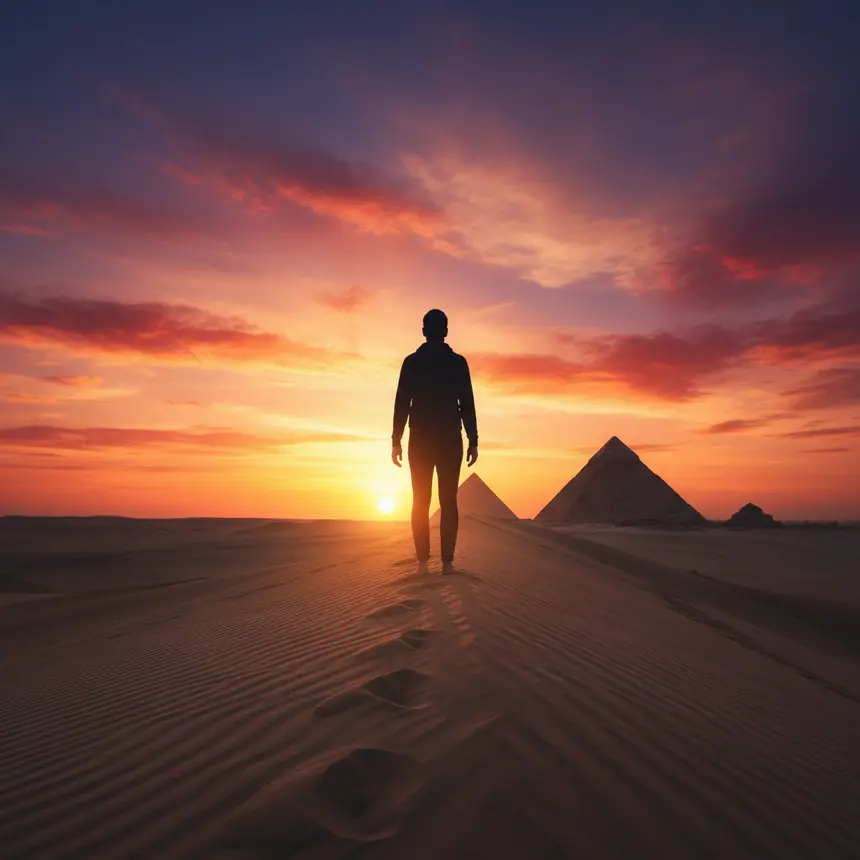
A tour of the Giza Pyramids and Sphinx in Egypt is more than just sightseeing; it's an immersive journey into the marvels of human civilization and the passage of time. These monumental relics, imbued with the wisdom, passion, and artistic spirit of the ancient Egyptians, offer profound inspiration. With a local guide, you can unlock deeper stories and cultural insights, ensuring you make the most of every moment. Each photograph becomes a piece of history, and every step is a voyage into the ancient world. Why not venture to this mysterious land and feel the breath of the pharaohs firsthand? The pyramids and Sphinx of Egypt are bound to become one of the most extraordinary memories of your lifetime.
Frequently Asked Questions
Q. What's the best time of day to visit the Giza Pyramids and Sphinx?
A. Early mornings or late afternoons are ideal. This helps avoid the harsh midday sun, makes for a more comfortable exploration, and provides excellent lighting for photography, especially during sunrise or sunset when the light creates dramatic effects.
Q. Is it worth buying a ticket to go inside a pyramid?
A. While not mandatory, it's an option if you wish to experience the ancient architecture firsthand. However, the interior chambers are largely empty, and the climb is steep with around 200 steps in high humidity. Consider your physical condition before deciding.
Q. Do you have any photography tips for the Pyramids and Sphinx area?
A. Experiment with angles at the front and sides of the Sphinx, and don't miss the panoramic viewpoint for wide shots. Posing with camels can also create unique and memorable photos. The soft light of early morning or late afternoon often yields the most beautiful results.
Q. How much time should I allocate for visiting the Giza Pyramids complex?
A. A focused visit to the main attractions, including the Great Pyramids and the Sphinx, typically takes about 3 to 4 hours. If you wish to explore more leisurely or include additional sites, planning a half-day itinerary is recommended.
Q. Is it advisable to hire a local guide for a pyramid tour in Egypt?
A. Hiring a local guide can significantly enhance your experience by providing in-depth historical context and cultural explanations of the sites. It's especially recommended if you face language barriers or prefer an efficient, well-guided exploration.