Dreaming of an Eastern European adventure? Our comprehensive Prague travel guide helps you explore the city's top highlights. Discover Prague's beautiful Old Town, majestic castle, and romantic Charles Bridge in 3-4 days. Get practical tips and essential packing information for your trip to Prague.

Navigating Prague: Making the Most of Your Central European Adventure
Prague often stands out as a jewel in the crown of any Central European itinerary. Yet, once you land in the Czech capital, it's easy to feel a bit overwhelmed. With its labyrinthine Old Town alleys, the majestic Prague Castle complex, and the iconic Charles Bridge spanning the Vltava River, every corner seems to beckon. How do you possibly fit it all in, especially if you're planning a trip of around 3 to 4 days? Maximizing your time efficiently becomes key to soaking in the city's rich history and vibrant atmosphere without feeling rushed. This guide aims to provide practical strategies for exploring Prague's essential landmarks, offering insights that go beyond just sightseeing. By understanding the historical context and planning your routes wisely, your visit to Prague can transform from a simple tour into an unforgettable cultural immersion.
Unveiling Prague's Treasures: A Journey Through History and Architecture
A walk through Prague's city center is a deep dive into centuries of history and architectural brilliance.
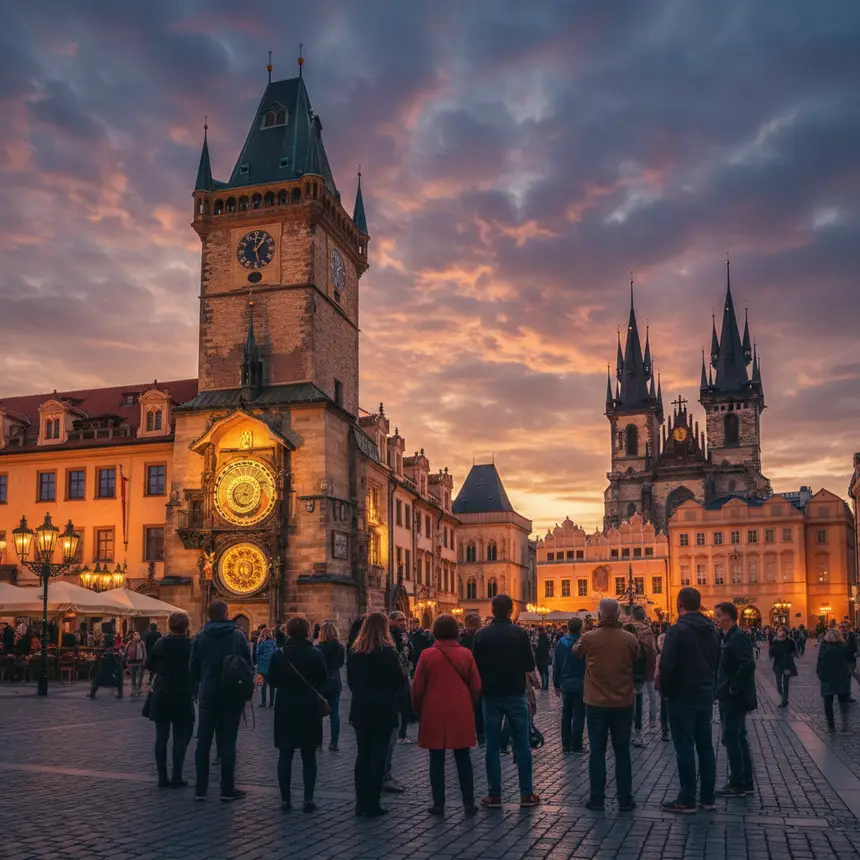
- Old Town Square & Astronomical Clock: The heart of Prague, the Old Town Square, has been a vibrant hub for nearly 900 years. Surrounded by stunning Gothic, Renaissance, and Baroque buildings, it has witnessed countless historical events, markets, and celebrations. Don't miss the world-famous Astronomical Clock on the Old Town Hall. Every hour, on the hour, mechanical figures of the Apostles perform a captivating show – it's a spectacle not to be missed and a perfect photo opportunity.
- Wenceslas Square: This long, boulevard-style square, stretching approximately 750 meters, is more than just a commercial hub; it's a testament to modern Czech history. From the declaration of Czechoslovak independence in 1918 to the "Prague Spring" and the "Velvet Revolution," this square has been a focal point for national identity and change. At its upper end, the statue of St. Wenceslas, the patron saint of Bohemia, stands as a silent guardian. The area is also bustling with shops and cafes, offering a blend of history and contemporary life.
- Prague Castle: Perched atop a hill on the west bank of the Vltava River, Prague Castle is one of the largest ancient castle complexes globally, with construction dating back to the late 9th century. Once the seat of Bohemian kings and now the official residence of the Czech President, it's a UNESCO World Heritage site. Inside its walls, you'll find the awe-inspiring St. Vitus Cathedral, the charming Golden Lane, and various palaces and gardens. Witnessing the Changing of the Guard ceremony at noon is a classic experience, and the panoramic views of the city from the castle grounds are simply breathtaking.
- Charles Bridge: Commissioned by Emperor Charles IV in the mid-14th century, the Charles Bridge is an iconic symbol of Prague. Adorned with 30 Baroque statues of saints, walking across it feels like strolling through an open-air gallery. The views of Prague Castle from the bridge, especially at sunrise or sunset, are postcard-perfect. Street artists and musicians often animate the bridge, adding to its lively atmosphere. Discovering the legends behind the statues or learning about the local traditions for making wishes on the bridge can add an extra layer of magic to your visit. All these key attractions are easily navigable by combining walking with Prague's efficient public transportation system.
※ This post contains affiliate links. I may earn a commission at no extra cost to you.

Essential Tips and Checklist for a Seamless Prague Experience
To fully immerse yourself in Prague's charm, a bit of preparation and awareness goes a long way. Use this checklist to plan a safer and more enjoyable trip.
- Strategic Itinerary Planning: For a 3 to 4-day trip, dedicate the first couple of days to the city's core areas like Old Town, Prague Castle, and Charles Bridge. Consider a day trip to charming nearby towns (like Český Krumlov) for the remaining day or two. Researching travel times between attractions and planning your use of public transport (trams, metro) and walking routes is crucial.
- Utilize Public Transport Passes: While much of Prague's center is walkable, places like Prague Castle (located uphill) or longer distances require public transport. Purchasing a 24-hour or 72-hour transport pass can save both time and money for short-term visitors.
- Pre-Check Entrance Tickets: Attractions within Prague Castle, such as St. Vitus Cathedral or the Golden Lane, may require separate admission tickets. Confirm opening hours and ticket prices before your visit, and consider booking online in advance to save time queuing.
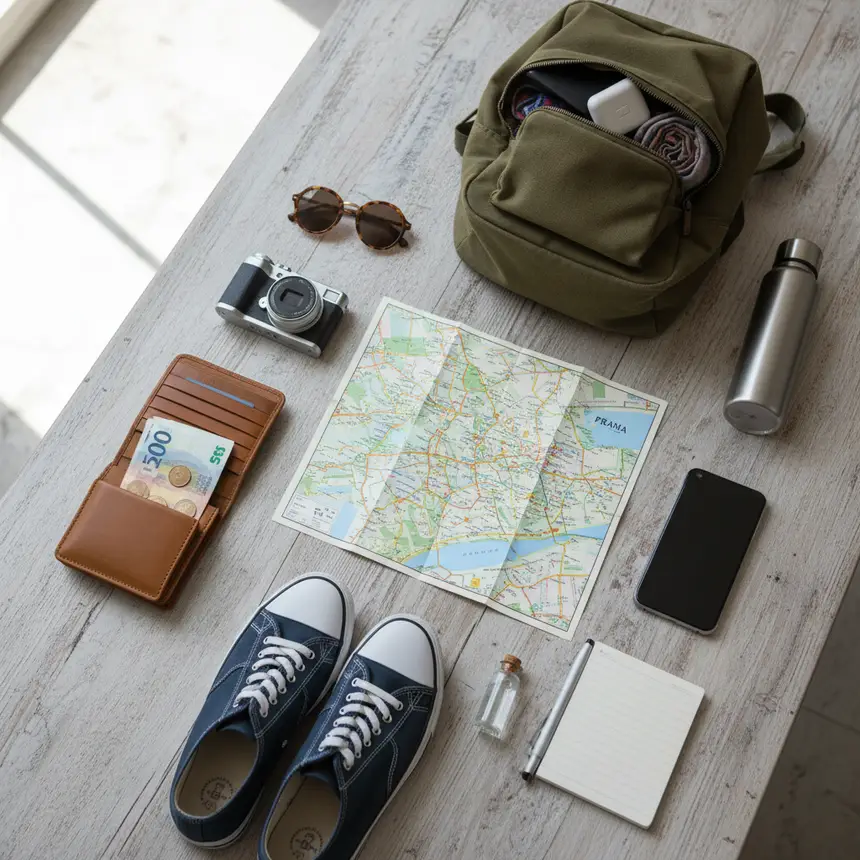
- Comfortable Footwear is a Must: Prague's streets are often cobblestone, and there are many hills. Comfortable, sturdy walking shoes are absolutely essential for enjoying your exploration without discomfort.
- Personal Belongings Safety: In crowded tourist areas like Old Town Square or Charles Bridge, be vigilant against pickpocketing. Keep your bag in front of you, and distribute valuables across different pockets or compartments for added security.
- Local Currency and Payments: The official currency in the Czech Republic is the Czech Koruna (CZK). While Euros might be accepted in some places, the exchange rate is often unfavorable. It's best to carry some local currency or use international credit cards.
- Respect Local Culture: When visiting historical churches or monuments, be mindful of dress codes and maintain a respectful demeanor. With these tips in mind, you're set to discover the profound beauty of Prague and create lasting memories.
Frequently Asked Questions
Q. What's the best time of year to visit Prague?
A. Spring (April-May) and Fall (September-October) offer pleasant weather ideal for outdoor activities and exploring. Summer (June-August) is popular but crowded, while winter (November-March) is cold but brings festive Christmas markets and a magical atmosphere.
Q. Can I walk to all the main attractions in Prague city center?
A. Many central attractions like Old Town Square, Charles Bridge, and the Jewish Quarter are easily walkable. However, for places like Prague Castle, which is on a hill, or for longer distances, using public transportation like trams or the metro is recommended for convenience.
Q. What's a reasonable budget for a trip to Prague?
A. Budgets vary, but a general estimate for accommodation, food, local transport, and attraction entries might be around $80-$120 USD per day. This can fluctuate significantly based on your choice of lodging and dining.
Q. What traditional Czech foods should I try in Prague?
A. You absolutely must try traditional Czech Goulash, Koleno (Pork Knuckle), Trdelník (a sweet pastry often sold by street vendors), and, of course, sample some of the renowned Czech beer.