Planning a trip to Nepal and wondering about internet access? Discover the pros and cons of local SIM cards vs. eSIMs, compare prices, and find the best connectivity option for your travel style. Ensure seamless connection from the Himalayas to the bustling cities for a richer Nepalese adventure.

The Allure of Nepal: Why Staying Connected Matters
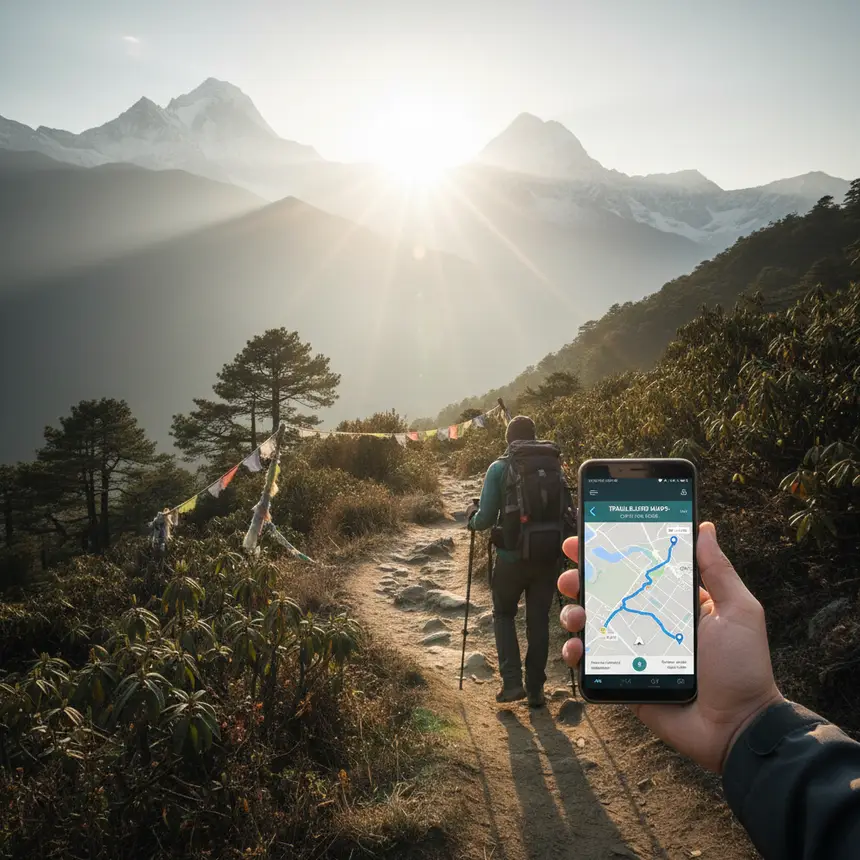
Nepal, a land where the majestic Himalayas touch the sky and ancient cultures thrive in bustling cities, offers an unparalleled travel experience. From the vibrant alleyways of Kathmandu to the serene lakeside of Pokhara and the challenging treks of Annapurna and Everest, every corner promises an adventure. In today's interconnected world, reliable internet access is no longer a luxury but a necessity for fully immersing oneself in such a journey. It facilitates navigation with maps, translates local phrases, allows for instant sharing of breathtaking moments, and provides a crucial safety net in unforeseen circumstances. For those venturing into the remote trails, maintaining contact can significantly enhance both safety and enjoyment. A well-planned internet strategy is key to unlocking a truly fulfilling Nepalese experience.
Choosing Your Connection: Local SIM Cards vs. eSIMs in Nepal
When preparing for your Nepalese adventure, you'll generally have two primary options for internet access: purchasing a local physical SIM card or opting for the increasingly popular eSIM. Understanding the distinct advantages and disadvantages of each will help you make an informed decision tailored to your travel needs.
1. Local Physical SIM Card
2. eSIM (Embedded SIM)
Lately, the convenience and reliability offered by eSIMs have made them a preferred choice for many travelers. While local SIMs may have a marginal price advantage, the overall travel experience, including time saved at the airport and continuous connectivity, often makes eSIMs a more valuable option. It's advisable to compare plans and coverage from various online providers before making your choice.
1. Local Physical SIM Card
- Acquisition & Setup: These can be purchased upon arrival at Tribhuvan International Airport in Kathmandu or from telecommunications stores in major cities. The process typically involves presenting your passport, filling out forms, and sometimes even a photo, which can consume valuable time. You can often find plans offering 30-60GB of data for approximately 5 to 9 USD.
- Pros: Generally the most budget-friendly option in terms of initial purchase cost.
- Cons: Cannot connect immediately upon landing, and requires removing your home country's SIM card, which then needs safekeeping.
2. eSIM (Embedded SIM)
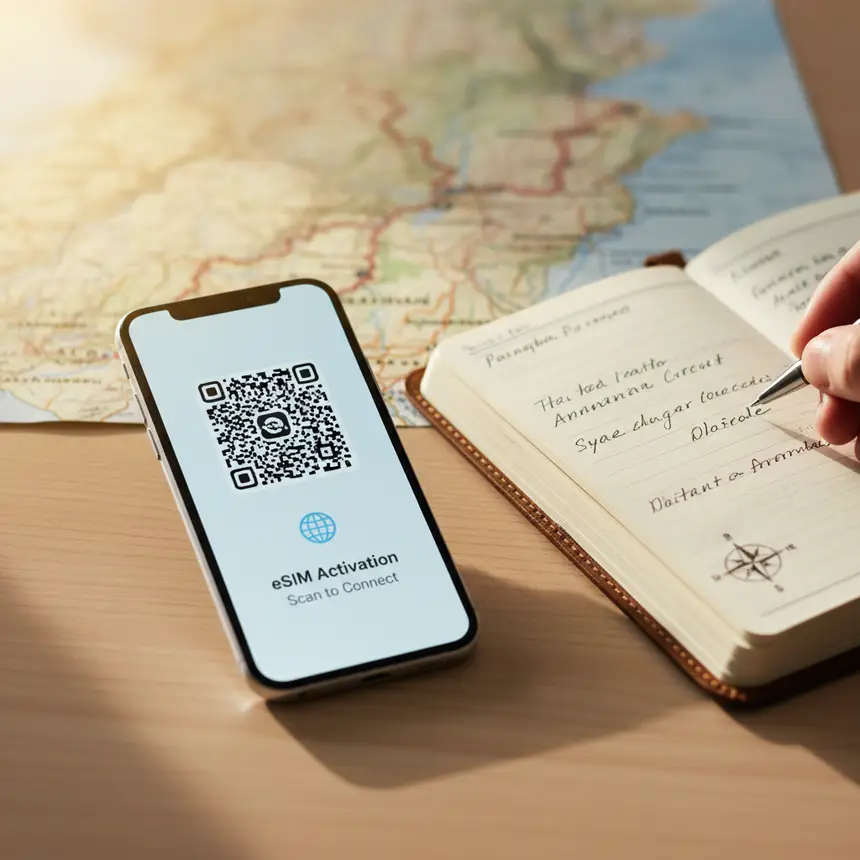
- Acquisition & Setup: An eSIM can be purchased online before your trip from your home country. Upon purchase, you'll receive a QR code via email that you scan with your smartphone to activate. Setting this up during your flight means you can connect to the internet the moment your plane touches down in Nepal. International eSIM plans typically range from 12 to 35 USD for 10-30GB of data.
- Pros:
- Instant Connectivity: Provides immediate internet access upon arrival, which is incredibly convenient for navigating the airport and getting to your accommodation.
- Keep Your Home Number: You don't need to remove your physical SIM, allowing you to receive important calls, messages, or bank authentications from home.
- No Physical Card to Lose: Being embedded digitally, there's no risk of misplacing a tiny SIM card, especially handy during treks or when handling luggage.
- Reliable Coverage: Many international eSIM providers partner with Nepal's leading networks like Ncell and NTC, offering broad coverage not just in urban centers but also in many popular trekking regions.
- Cons: The upfront cost might be slightly higher than a local physical SIM.
Lately, the convenience and reliability offered by eSIMs have made them a preferred choice for many travelers. While local SIMs may have a marginal price advantage, the overall travel experience, including time saved at the airport and continuous connectivity, often makes eSIMs a more valuable option. It's advisable to compare plans and coverage from various online providers before making your choice.
※ This post contains affiliate links. I may earn a commission at no extra cost to you.

Who Benefits Most? Your Guide to Choosing Internet in Nepal
The best internet option for your Nepal trip largely depends on your travel style and priorities.
2. Individuals who need to stay in touch with home: If receiving calls, texts, or banking verifications from your home country is critical, an eSIM allows you to keep your original number active.
3. Frequent social media users and real-time sharers: For those who love to share their incredible Nepalese moments instantly.
4. Travelers prioritizing airport efficiency: If you wish to bypass the queues and paperwork at the airport and have instant internet access upon landing.
2. Travelers with ample time: Those who don't mind spending time at the airport or in town to purchase and set up a physical SIM.
In summary, for Nepal travel in the coming years, eSIMs are increasingly favored due to their convenience and dependable connectivity. While a local physical SIM might offer a slightly lower initial price, the time saved at the airport, the ability to retain your home number, and often more stable network access during treks can collectively make an eSIM a more beneficial choice for your overall travel experience. Before embarking on your Nepalese adventure, consider your needs and prepare your internet connection in advance for a smoother and more enjoyable journey.
- eSIM is Recommended For:
2. Individuals who need to stay in touch with home: If receiving calls, texts, or banking verifications from your home country is critical, an eSIM allows you to keep your original number active.
3. Frequent social media users and real-time sharers: For those who love to share their incredible Nepalese moments instantly.
4. Travelers prioritizing airport efficiency: If you wish to bypass the queues and paperwork at the airport and have instant internet access upon landing.
- Local SIMs might be considered by:
2. Travelers with ample time: Those who don't mind spending time at the airport or in town to purchase and set up a physical SIM.
In summary, for Nepal travel in the coming years, eSIMs are increasingly favored due to their convenience and dependable connectivity. While a local physical SIM might offer a slightly lower initial price, the time saved at the airport, the ability to retain your home number, and often more stable network access during treks can collectively make an eSIM a more beneficial choice for your overall travel experience. Before embarking on your Nepalese adventure, consider your needs and prepare your internet connection in advance for a smoother and more enjoyable journey.
Frequently Asked Questions
Q. Is internet connectivity reliable during treks in Nepal?
A. Yes, in many major trekking areas, certain international eSIM plans leverage multiple local network providers to offer relatively stable internet connectivity. However, it's realistic to expect some limitations in the most remote mountain regions.
Q. Which is cheaper: a local Nepali SIM card or an international eSIM?
A. Generally, a physical local SIM card purchased in Nepal might have a slightly lower upfront cost. However, when considering the value of time saved at the airport, the ability to keep your home number, and overall convenience, an eSIM can often provide better value for the entire travel experience.
Q. Can I still receive calls or texts from my home country if I use an eSIM in Nepal?
A. Absolutely! An eSIM allows you to keep your existing home country's physical SIM card in your phone while adding the eSIM digitally. This means you can continue to receive calls and text messages on your original number, which is a significant advantage for travelers needing bank verifications or staying in touch with family.
Q. What's the most convenient way to get internet right after arriving in Nepal?
A. For immediate internet access upon arrival in Nepal, an eSIM is the most convenient option. By purchasing and setting up your eSIM with a QR code before your flight, you can ensure data connectivity as soon as your plane lands, saving you time and hassle at the airport.