Planning a trip to Kuala Lumpur, Malaysia, and wondering about internet access? This guide breaks down the pros and cons of roaming, local SIM cards, and eSIMs to help you pick the best option for your travel style. Stay connected for a smoother, more enjoyable journey!

Planning Your Kuala Lumpur Adventure: How Will You Stay Connected?
In today's travel landscape, navigating an unfamiliar city, discovering local culinary gems, and instantly sharing your memories with loved ones are all integral parts of the journey. When you're exploring the dynamic capital of Malaysia, Kuala Lumpur, having reliable cell phone data is absolutely crucial. From hailing a ride at the airport and checking out tourist attractions to finding that perfect spot for a local meal, a stable internet connection makes all the difference. But what's the best way to get online for your travel style? Let's dive into the options—international roaming, local SIM cards, and the increasingly popular eSIM—to help you choose the ideal solution for a smoother, more enjoyable Kuala Lumpur experience. Thoughtfully planning your internet access before you even depart is a smart move that will pay off throughout your trip.

Embrace Kuala Lumpur's Vibrancy, Fully Connected
Kuala Lumpur is a captivating metropolis where futuristic skyscrapers stand alongside rich cultural heritage. From the majestic Petronas Twin Towers to the bustling shopping districts of Bukit Bintang and the lively atmosphere of hidden local markets, this city consistently offers new and exciting experiences. To truly soak in all its diverse charms, your cell phone becomes an indispensable companion. Booking local transportation, pinpointing your destinations with maps, and breaking down language barriers with translation apps are just a few ways data connectivity enhances your travel quality. It's more than just convenience; it's about enriching your entire journey. Therefore, considering your communication options well before your trip is vital. Instead of solely relying on sporadic free Wi-Fi spots around the city, securing your own stable internet connection will give you the freedom to follow your itinerary and adapt flexibly to any unexpected situations.
※ This post contains affiliate links. I may earn a commission at no extra cost to you.

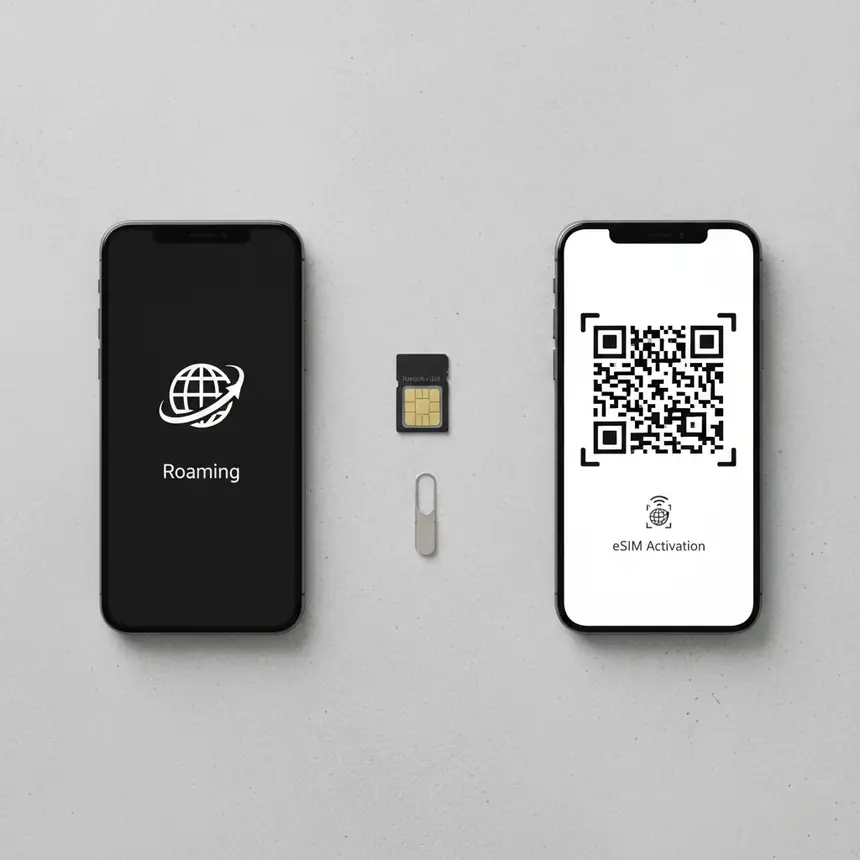
Kuala Lumpur Connectivity Deep Dive: Roaming, Local SIM, and eSIM Compared
When it comes to getting online in Kuala Lumpur, you essentially have three main choices. Each option comes with its own set of pros and cons, so it's important to weigh them against your trip duration, data usage habits, and cell phone model to pick the best fit.
1. International Roaming: Convenient but Can Be Pricey
This is arguably the easiest method. You continue using your existing cell phone and number from home, with internet access activated through your domestic carrier. It requires minimal setup, making it suitable for last-minute planners or those who prefer to avoid any tech hassles. However, the downside is often a significantly higher cost compared to other options. You might also face severe speed limitations once you hit a certain data cap, which can be frustrating. For trips longer than a few days, or if you're a heavy data user, roaming can quickly lead to an exorbitant bill. It's generally only advisable for very short business trips or quick one-to-two-day excursions where data usage is minimal.
2. Local SIM Card: Reliable Data at a Great Value
Purchasing a local SIM card from a Malaysian telecommunications provider means you'll insert a new physical SIM into your phone. These are readily available at Kuala Lumpur International Airport (KLIA) or various carrier stores throughout the city. The main advantage is that you'll be using the local network directly, which typically provides fast and stable data speeds. You'll likely enjoy seamless internet access in central areas like Bukit Bintang, Pavilion Shopping Mall, and KLCC. Local SIMs are also much more affordable than roaming, offering generous data allowances. The primary drawback is that you'll temporarily lose access to your home phone number for calls and texts while the local SIM is active. This option is ideal for travelers who use a lot of data and prioritize cost-effectiveness.
3. eSIM: The Modern, Seamless Solution
Gaining rapid popularity, an eSIM (embedded SIM) allows you to connect to a local network using a digital profile, often activated by simply scanning a QR code, without needing a physical SIM card. It's incredibly convenient for those with eSIM-compatible devices, such as newer iPhone models or recent Samsung Galaxy phones. You can purchase and set up an eSIM before you even leave home, ensuring immediate internet access upon arrival. A major benefit is that you can keep your home country's physical SIM card in your phone, allowing you to receive calls and texts to your original number while using the eSIM for local data. It also eliminates the risk of losing a physical SIM and helps keep your travel gear light. However, you must first verify if your phone supports eSIM, and the initial setup process might feel a bit complex if you're not accustomed to it. This is a fantastic choice for tech-savvy solo travelers, those who prefer to pack light, and anyone with a modern smartphone.
1. International Roaming: Convenient but Can Be Pricey
This is arguably the easiest method. You continue using your existing cell phone and number from home, with internet access activated through your domestic carrier. It requires minimal setup, making it suitable for last-minute planners or those who prefer to avoid any tech hassles. However, the downside is often a significantly higher cost compared to other options. You might also face severe speed limitations once you hit a certain data cap, which can be frustrating. For trips longer than a few days, or if you're a heavy data user, roaming can quickly lead to an exorbitant bill. It's generally only advisable for very short business trips or quick one-to-two-day excursions where data usage is minimal.
2. Local SIM Card: Reliable Data at a Great Value
Purchasing a local SIM card from a Malaysian telecommunications provider means you'll insert a new physical SIM into your phone. These are readily available at Kuala Lumpur International Airport (KLIA) or various carrier stores throughout the city. The main advantage is that you'll be using the local network directly, which typically provides fast and stable data speeds. You'll likely enjoy seamless internet access in central areas like Bukit Bintang, Pavilion Shopping Mall, and KLCC. Local SIMs are also much more affordable than roaming, offering generous data allowances. The primary drawback is that you'll temporarily lose access to your home phone number for calls and texts while the local SIM is active. This option is ideal for travelers who use a lot of data and prioritize cost-effectiveness.
3. eSIM: The Modern, Seamless Solution
Gaining rapid popularity, an eSIM (embedded SIM) allows you to connect to a local network using a digital profile, often activated by simply scanning a QR code, without needing a physical SIM card. It's incredibly convenient for those with eSIM-compatible devices, such as newer iPhone models or recent Samsung Galaxy phones. You can purchase and set up an eSIM before you even leave home, ensuring immediate internet access upon arrival. A major benefit is that you can keep your home country's physical SIM card in your phone, allowing you to receive calls and texts to your original number while using the eSIM for local data. It also eliminates the risk of losing a physical SIM and helps keep your travel gear light. However, you must first verify if your phone supports eSIM, and the initial setup process might feel a bit complex if you're not accustomed to it. This is a fantastic choice for tech-savvy solo travelers, those who prefer to pack light, and anyone with a modern smartphone.
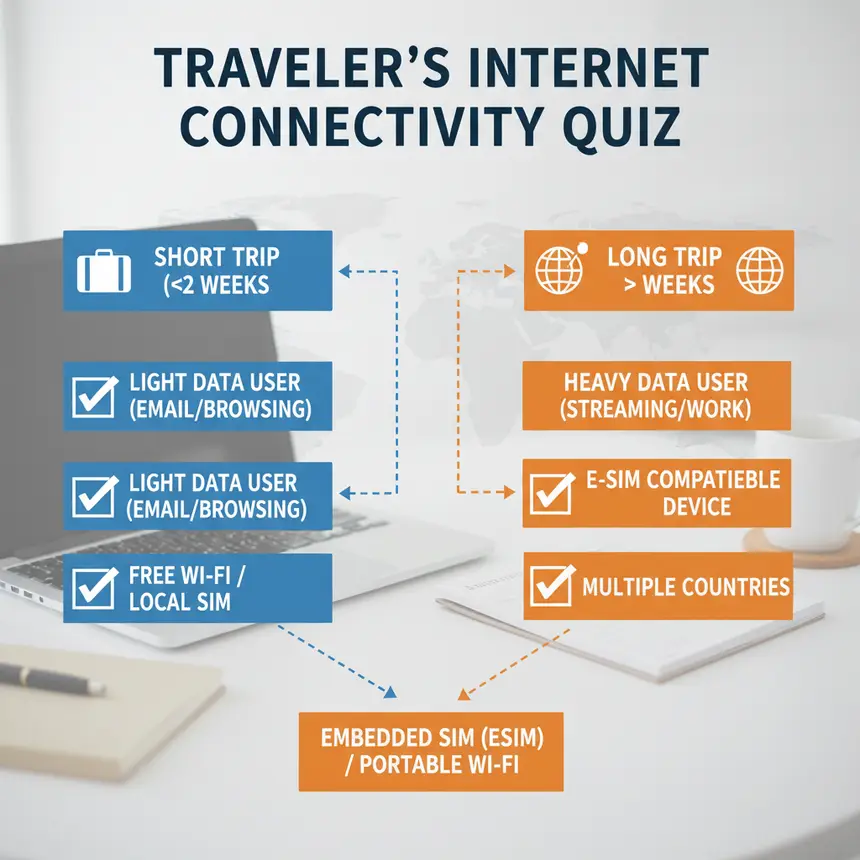
Choosing Your Kuala Lumpur Connectivity: A Practical Guide
If you're still weighing your options for internet connectivity in Kuala Lumpur, asking yourself these questions can help you pinpoint the best solution for your trip:
- How long is your trip, and what's your typical data usage?
- Does your cell phone support eSIM technology?
- Is it essential to keep your home phone number active?
- How much do you value ease of setup?
Stay Smartly Connected and Fully Enjoy Kuala Lumpur's Charms!
Your journey through Malaysia's vibrant Kuala Lumpur can be significantly enhanced simply by choosing the right internet connection. Whether you're hailing a Grab ride, navigating the bustling city with Google Maps, or checking real-time reviews for the best local eateries, having reliable cell phone data is no longer a luxury—it's a necessity. It's crucial to make a smart choice among roaming, local SIM cards, and eSIM, tailored to your personal travel style, device, and data requirements. By doing a bit of research and preparing in advance, you'll be free to fully immerse yourself in Kuala Lumpur's stunning nightscapes, exotic cuisine, and lively shopping scenes without a single worry. So, go ahead, find your perfect internet solution for Kuala Lumpur, and get ready to create unforgettable memories!
Frequently Asked Questions
Q. Is it better to buy a local SIM card in Kuala Lumpur or prepare one from my home country?
A. While you can certainly purchase a SIM card upon arrival at Kuala Lumpur Airport, preparing one from your home country (online purchase or eSIM setup) is generally more convenient if you want to save time upon landing. Buying locally allows you to compare various carrier options directly.
Q. How do calls and texts to my home number work when using an eSIM?
A. When using an eSIM primarily for data, you can typically keep your home country's physical SIM active for calls and texts. This allows you to receive communications to your original number while using the eSIM for local data. Be aware that your home carrier might still charge roaming rates for calls/texts received, so check with them for specifics.
Q. Which areas in Kuala Lumpur generally offer the best data speeds?
A. In general, major tourist and commercial areas within Kuala Lumpur, such as the city center, Bukit Bintang, and KLCC, tend to offer fast and reliable data speeds from most local network providers. Connectivity might be slower or less stable in more remote or mountainous outskirts of the city.
Q. Is relying solely on Wi-Fi sufficient for a trip to Kuala Lumpur?
A. While many public places, hotels, and cafes offer free Wi-Fi, it's not always reliable or secure. For crucial tasks like navigation, emergency contacts, or real-time information lookups on the go, a personal, stable data connection is highly recommended. It contributes to a more convenient and safer travel experience than relying on public Wi-Fi alone.