Planning a trip to China? Discover how eSIM technology, with built-in VPN bypass, can keep you connected to the world. Learn essential tips for internet access, from setup to managing daily communications and payments, ensuring a smooth journey.

Unlocking Connectivity in China: The Digital Landscape Explained
A journey to China offers an incredible opportunity to immerse yourself in rich history and vibrant culture. However, a crucial aspect of planning your trip, often overlooked until arrival, is internet access. Unlike many other nations, China operates under a unique digital environment known as the 'Great Firewall,' which restricts access to many familiar international apps and websites, including Google services, WhatsApp, Instagram, and Facebook. In today's travel landscape, where everything from navigation and hotel bookings to restaurant searches and mobile payments relies on internet connectivity, these restrictions can pose significant challenges and inconveniences for travelers.
Fortunately, there's a modern and effective solution to ensure you stay connected without digital interruption. Utilizing an eSIM, especially one that offers a built-in VPN bypass feature, can be a game-changer. This smart approach allows you to use your favorite apps and access the global internet as you would at home, all without the hassle of installing separate VPN applications or navigating complex settings. This way, you can remain connected to crucial information, communicate with ease, and enjoy a truly seamless travel experience in China.
Fortunately, there's a modern and effective solution to ensure you stay connected without digital interruption. Utilizing an eSIM, especially one that offers a built-in VPN bypass feature, can be a game-changer. This smart approach allows you to use your favorite apps and access the global internet as you would at home, all without the hassle of installing separate VPN applications or navigating complex settings. This way, you can remain connected to crucial information, communicate with ease, and enjoy a truly seamless travel experience in China.
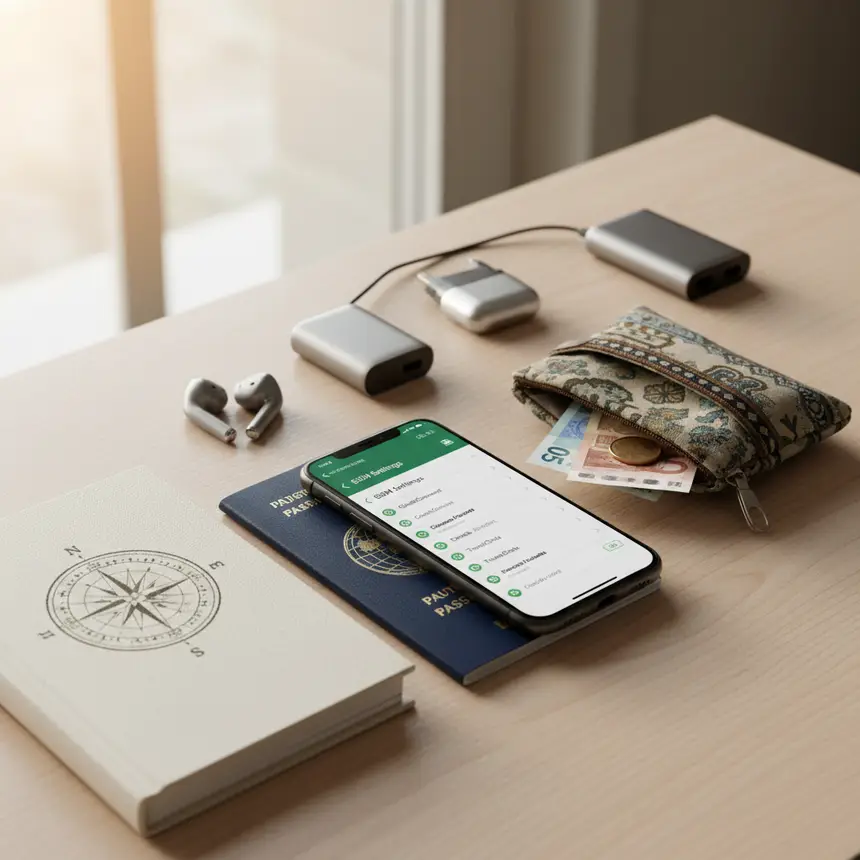
Mastering Chinese Connectivity: Your Comprehensive eSIM & VPN Bypass Handbook
For uninterrupted internet access during your trip to China, leveraging an eSIM is by far the most efficient method. Opting for an eSIM that includes a VPN bypass feature is particularly beneficial, as it enables you to freely use services like Google Maps or WhatsApp without any trouble. Setting up your eSIM involves a few straightforward steps, and it's always best to complete this process before you depart for China.
First, you need to verify that your smartphone supports eSIM technology. You can typically do this by dialing *#06# on your phone's keypad; if an 'EID' entry appears on the IMEI information screen, your device is eSIM compatible. If not, you might need to consider a physical SIM card or a portable Wi-Fi device.
Next, it's highly recommended to purchase and register your eSIM while you are still in your home country. Attempting to set up an eSIM once you've arrived in China without any data connection can be quite difficult. Your eSIM provider will usually send you a QR code to scan, or you can manually enter the details to add the eSIM profile to your phone. Once set up, rename your new eSIM profile to something easily identifiable, like 'China Travel' or 'Vacation SIM,' within your phone's settings.
Upon arrival in China, the final step is to activate your eSIM. Go to your phone's settings, disable your primary local SIM, activate your 'China Travel' eSIM, and crucially, make sure to enable the 'Data Roaming' option. Failing to do so will prevent your data from connecting. Regarding data plans, you can choose between unlimited data options for complete peace of mind, or tiered plans, such as 5GB, which often come with reduced speeds after the allowance is used. While 5GB might suffice for light browsing and navigation, an unlimited plan is advisable if you plan on frequent high-resolution photo or video uploads, ensuring a more consistent experience.
First, you need to verify that your smartphone supports eSIM technology. You can typically do this by dialing *#06# on your phone's keypad; if an 'EID' entry appears on the IMEI information screen, your device is eSIM compatible. If not, you might need to consider a physical SIM card or a portable Wi-Fi device.
Next, it's highly recommended to purchase and register your eSIM while you are still in your home country. Attempting to set up an eSIM once you've arrived in China without any data connection can be quite difficult. Your eSIM provider will usually send you a QR code to scan, or you can manually enter the details to add the eSIM profile to your phone. Once set up, rename your new eSIM profile to something easily identifiable, like 'China Travel' or 'Vacation SIM,' within your phone's settings.
Upon arrival in China, the final step is to activate your eSIM. Go to your phone's settings, disable your primary local SIM, activate your 'China Travel' eSIM, and crucially, make sure to enable the 'Data Roaming' option. Failing to do so will prevent your data from connecting. Regarding data plans, you can choose between unlimited data options for complete peace of mind, or tiered plans, such as 5GB, which often come with reduced speeds after the allowance is used. While 5GB might suffice for light browsing and navigation, an unlimited plan is advisable if you plan on frequent high-resolution photo or video uploads, ensuring a more consistent experience.
※ This post contains affiliate links. I may earn a commission at no extra cost to you.


Essential Tips for a Connected Journey in China
In China, mobile data isn't just a convenience; it's an absolute necessity for daily life. Local routines are heavily integrated with mobile data, particularly for financial transactions. Most payments in China are conducted via QR code-based mobile apps like WeChat Pay and Alipay. Without a reliable data connection, you might find it challenging to make even basic purchases or use essential services. Furthermore, accessing ride-hailing apps such as Didi or local navigation tools critically depends on a stable internet connection.
Once your eSIM connection is secured, navigating China, from commuting and dining to shopping, will become significantly smoother. For travelers who frequently upload high-resolution photos or videos, an unlimited data plan is highly recommended. This ensures you can share every moment of your trip without worrying about data limits. Conversely, if your primary usage involves simple searches and map navigation, a tiered data plan might be more cost-effective.
Upon returning home, it's vital to revisit your eSIM settings. Leaving the 'Data Roaming' option enabled for your travel eSIM while using your primary SIM in your home country could lead to unexpected charges. Immediately upon arrival back home, disable your 'China Travel' eSIM, reactivate your primary SIM, and remember to turn off the 'Data Roaming' option for your primary SIM. An eSIM is an indispensable tool for overcoming digital barriers and enhancing your Chinese travel experience, especially recommended for social media enthusiasts, business travelers, or anyone requiring constant global connectivity.
Once your eSIM connection is secured, navigating China, from commuting and dining to shopping, will become significantly smoother. For travelers who frequently upload high-resolution photos or videos, an unlimited data plan is highly recommended. This ensures you can share every moment of your trip without worrying about data limits. Conversely, if your primary usage involves simple searches and map navigation, a tiered data plan might be more cost-effective.
Upon returning home, it's vital to revisit your eSIM settings. Leaving the 'Data Roaming' option enabled for your travel eSIM while using your primary SIM in your home country could lead to unexpected charges. Immediately upon arrival back home, disable your 'China Travel' eSIM, reactivate your primary SIM, and remember to turn off the 'Data Roaming' option for your primary SIM. An eSIM is an indispensable tool for overcoming digital barriers and enhancing your Chinese travel experience, especially recommended for social media enthusiasts, business travelers, or anyone requiring constant global connectivity.
Frequently Asked Questions
Q. Why can't I access certain Western apps like Google or WhatsApp in China?
A. China implements a policy known as the 'Great Firewall,' which blocks access to numerous foreign internet services and websites, including Google services, Facebook, Instagram, and WhatsApp. This is a government-controlled internet filtering system.
Q. Does using an eSIM mean I don't need a separate VPN app for China?
A. Some specialized eSIM services for China come with built-in Great Firewall bypass capabilities, meaning you won't need to install or configure a separate VPN app. Always confirm this feature with your eSIM provider before purchase.
Q. When is the best time to activate my China eSIM?
A. It's best to register and complete the initial setup of your eSIM before you depart from your home country. Once you arrive in China, you can simply activate the eSIM and ensure 'Data Roaming' is enabled in your phone settings to start using it immediately.
Q. What should I do if my eSIM data stops working in China?
A. First, check your phone settings to confirm that 'Data Roaming' is enabled for your travel eSIM and that your primary SIM is deactivated. If the issue persists, contact your eSIM service provider for technical support.
Q. How do I manage my eSIM settings after I return home?
A. Upon returning home, you should deactivate your 'China Travel' eSIM and reactivate your regular primary SIM. Crucially, remember to turn off the 'Data Roaming' option for your primary SIM to avoid any unexpected charges while back in your home country.