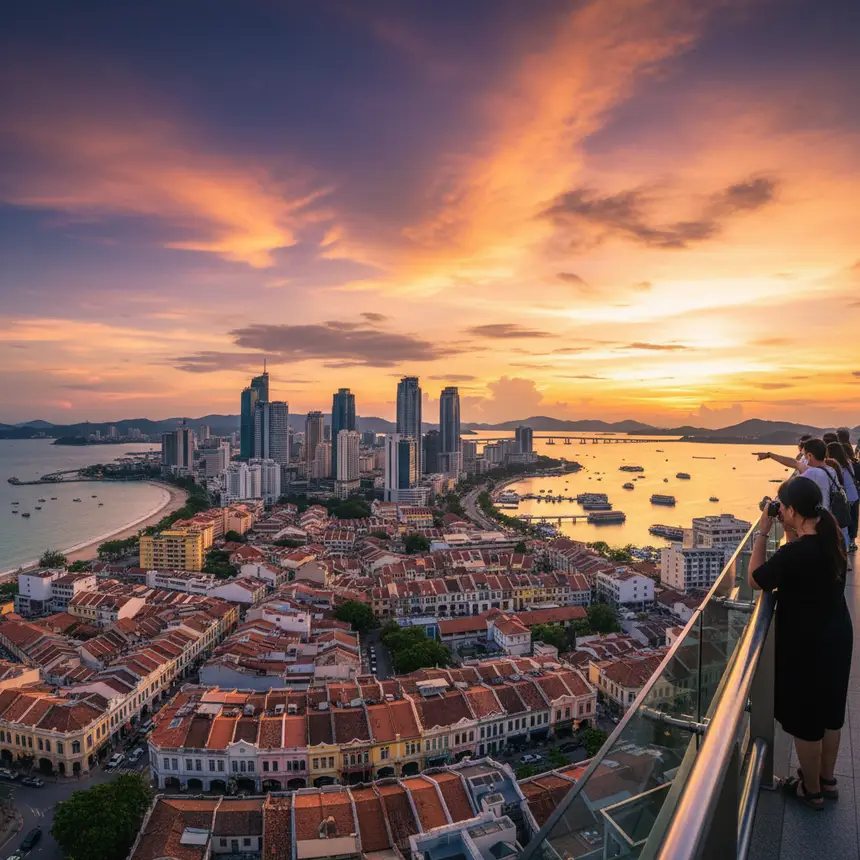
Plan your perfect Italy trip connecting Venice, Florence, and Rome. Discover practical tips from local experts on city-to-city travel, budgeting, and essential packing to make your European adventure unforgettable.

Planning Your Italian Grand Tour: Where to Begin?
Italy, often considered the crown jewel of European travel, offers an incredible diversity of experiences. From the romantic canals of Venice to the artistic heart of Renaissance Florence and the ancient grandeur of Rome, each city presents a unique journey through time and culture. However, stitching these three iconic destinations together requires more than just booking flights and trains. A well-crafted itinerary and smart energy management are key to an enriching experience. If you're envisioning an 8 to 10-day Italian adventure, aim to truly 'live' in each city rather than just 'see' the landmarks. Starting in Venice in the north, moving to Florence, and concluding in Rome in the south provides a logical flow with reliable train connections and a natural progression of scenery. This approach allows for a deeper immersion into the local rhythm and charm. Are you ready to discover the authentic essence of Italy at your own pace?
North to South Expedition: A Deep Dive into Venice, Florence, and Rome
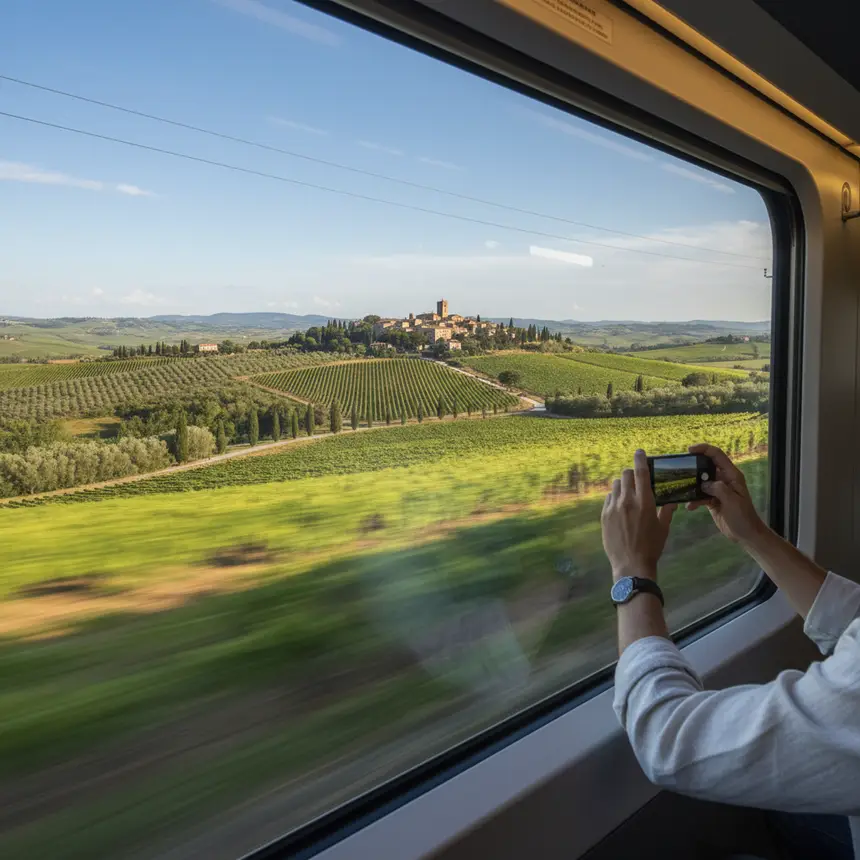
The secret to a seamless trip through Italy's trio of famous cities lies in strategic route planning. A northbound journey from Venice through Florence to Rome is highly recommended due to stable high-speed train connections and efficient time management. Aim to spend at least two nights in each city to allow ample time for exploration. Within cities, prioritize walking, supplementing with local public transport like buses or subways when necessary. In Venice, the 'Vaporetto' water buses are your primary mode of transport, but don't miss the joy of getting lost in its labyrinthine alleyways. In Florence, explore the Duomo complex, art museums, and Piazza della Signoria on foot. Cross the Arno River to the Pitti Palace area and make sure to climb to Piazzale Michelangelo for a breathtaking sunset panorama over the city's red rooftops. Rome boasts a captivating blend of ancient wonders like the Colosseum and Roman Forum, alongside vibrant modern sites such as the Trevi Fountain, Pantheon, and Piazza Navona. Dedicate a separate, full day to the Vatican City to absorb its immense history and art without feeling rushed. Remember, Italy is about embracing the pace, so avoid over-scheduling and allow for spontaneous moments. Don't forget to savor the regional culinary delights! Enjoy casual lunches with panini or pizza, and indulge in a leisurely dinner of pasta or fresh seafood at a local trattoria.
※ This post contains affiliate links. I may earn a commission at no extra cost to you.


Your Final Checklist for a Flawless Italian Getaway
A successful Italian vacation begins with meticulous preparation. Use this checklist to ensure you're fully ready before you depart:
- Budgeting: Accommodation costs vary significantly by city and season. Expect roughly $300-$550 on the main island of Venice (or $150+ in Mestre), $30-$550 in Florence, and $280-$680 in Rome. Booking well in advance is crucial, especially during peak season. Allocate approximately $60-$220 per person daily for food, $20-$50 for major attraction entry fees, and $30-$80 per segment for high-speed inter-city train tickets.
- Seasonal Attire: For spring/fall, pack light layers like a jacket due to temperature swings. Summers are hot, so hats, sunglasses, and sunscreen are essential. Winters are milder but wetter, making waterproof shoes and a compact umbrella useful.
- Comfortable Footwear: With Venice's cobblestone alleys and canals, and extensive walking in Florence and Rome, supportive walking shoes are non-negotiable.
- Dress Code: When visiting churches and religious sites, remember to dress modestly, ensuring shoulders and knees are covered as a sign of respect.
- Electronics: A portable power bank is a must-have for charging your devices, especially with all the photo opportunities.
- Advance Bookings: To minimize waiting times at popular attractions like the Vatican Museums or the Colosseum, pre-book your tickets online whenever possible.
- Local Tips: Learning a few basic Italian phrases (like 'Ciao' for hello and 'Grazie' for thank you) can greatly enhance your interactions. If you get turned around, don't hesitate to ask for directions or consult a map app. Most importantly, remember that Italy is a destination where rhythm matters more than speed. Embrace the leisurely pace, soak in the atmosphere, and let the warmth of the culture and people enrich your journey.
Frequently Asked Questions
Q. How many days are ideal for a trip covering Venice, Florence, and Rome?
A. To fully experience all three cities without rushing, an itinerary of 8 to 10 days is recommended. This allows for a minimum of two nights in each location, promoting a more immersive travel style.
Q. What's the most efficient way to travel between these Italian cities?
A. Utilizing Italy's high-speed train network is the most efficient method, especially following a north-to-south route from Venice to Florence to Rome. It's time-saving, convenient for booking, and offers scenic views.
Q. How should I budget for accommodation during my Italy trip?
A. Accommodation prices vary widely. Expect Venice's main island to be $300-$550 per night (or $150+ in Mestre), Florence $30-$550, and Rome $280-$680. Booking early, especially for peak season, is advisable.
Q. What are the essential items I should pack for an Italy trip?
A. Must-haves include comfortable walking shoes for extensive walking, a light cover-up for visiting churches (to cover shoulders and knees), a portable power bank for your electronics, and weather-appropriate clothing like a hat, sunglasses, or a compact umbrella.
Q. When is the best time of year to visit Italy?
A. Spring (April-May) and Fall (September-October) are generally considered the best times to visit Italy. The weather is pleasant for outdoor activities, avoiding the intense heat of summer and the frequent rains of winter.