Planning a trip to the Philippines? eTravel registration is a must. Discover essential tips for navigating digital entry forms, updating passport details, securing local connectivity, and arranging airport transfers for a smooth and enjoyable journey.

Embarking on Your Journey: The Importance of Digital Entry Preparation
The allure of emerald waters, vibrant coral reefs, and bustling local markets often sparks an irresistible wanderlust. Planning an international getaway—from booking flights and accommodation to packing your bags—is an exciting prelude to adventure. However, to ensure a smooth start, a critical step often overlooked is preparing for the destination country's entry requirements. In this digital age, many nations mandate online pre-registration for entry, and proactively handling these digital forms is key to avoiding unexpected hitches and setting the right tone for your trip. From double-checking passport validity to accurately entering flight and lodging details, meticulous pre-travel preparation significantly enhances your overall travel experience and peace of mind.
Navigating Philippine Entry: Your eTravel Registration Checklist
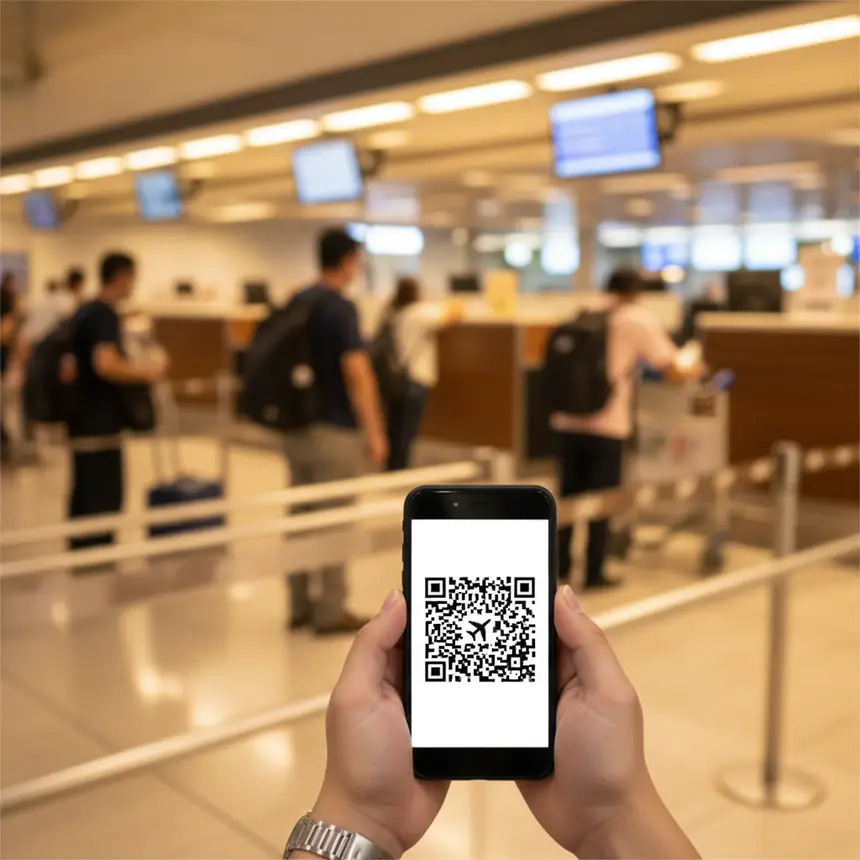
If the Philippines is on your travel itinerary, completing the 'eTravel' registration is a mandatory step for all inbound travelers. This digital system effectively replaces the traditional paper-based arrival and customs declaration forms. You must complete and submit your eTravel registration within 72 hours before your flight's scheduled departure. Crucially, this service is entirely free. There's no need for a dedicated mobile app or complicated personal verification processes; it's all handled conveniently via a website. A quick search for 'eTravel' will lead you to the official portal, which even offers language support for easier navigation. If you've visited before, you can log in to your existing account and easily update any changed information, such as a new passport number or issue date. You'll need to input your flight details, the name of your accommodation (often with an auto-fill feature), answer simple health declaration questions, confirm your baggage count, and provide a digital signature to finalize registration. Once completed, a QR code will be generated. Given that airport Wi-Fi in the Philippines can sometimes be slow or unreliable, it's highly advisable to screenshot or print this QR code beforehand for a hassle-free immigration process.
※ This post contains affiliate links. I may earn a commission at no extra cost to you.

Stay Connected & Move Smoothly: Communication and Transportation Essentials
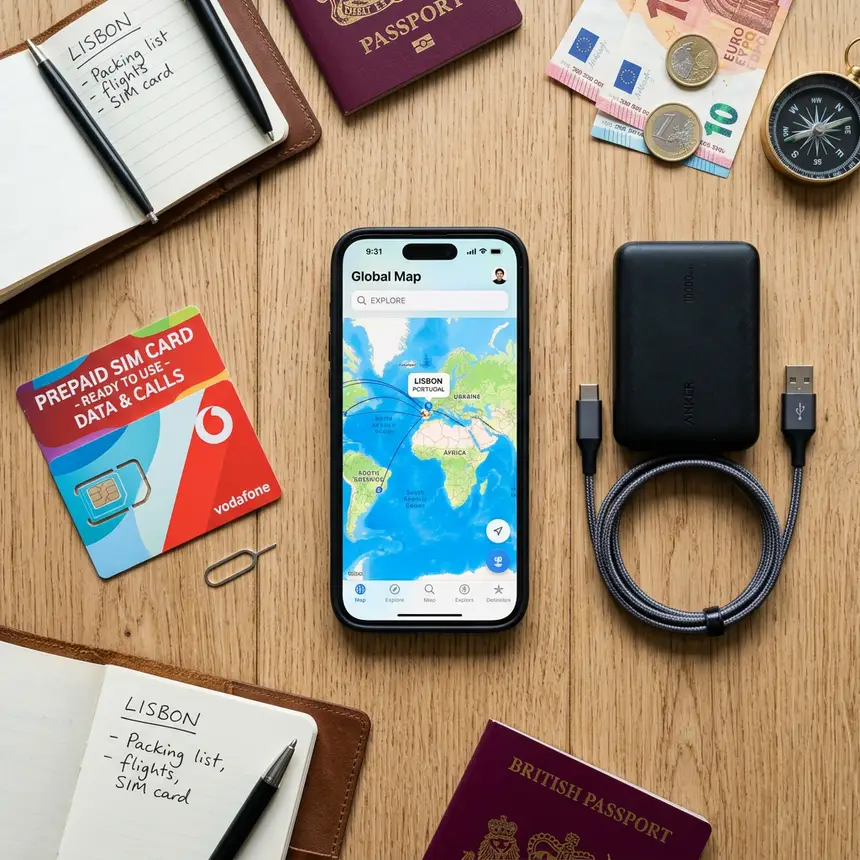
Maintaining an internet connection while traveling abroad is no longer a luxury but a necessity for navigation, real-time information, staying in touch with loved ones, and emergency situations. In the Philippines, you have the option of purchasing a local prepaid SIM card or an eSIM from local providers for convenient data access. eSIMs offer particular ease, activating with just a QR code scan without the need to swap physical cards, and can often be purchased online before you even depart. It's smart to select a data plan that aligns with your trip duration and usage habits. Furthermore, securing your airport-to-accommodation transfer in advance is highly recommended. For destinations where the airport is remote or requires multiple transfers, such as island resorts, pre-booking a private vehicle transfer can save you significant time and energy. To avoid any unexpected complications upon arrival, make sure your communication setup and transportation plans are solidified before you take off.
Budgeting and Packing: Practical Tips for the Savvy Traveler
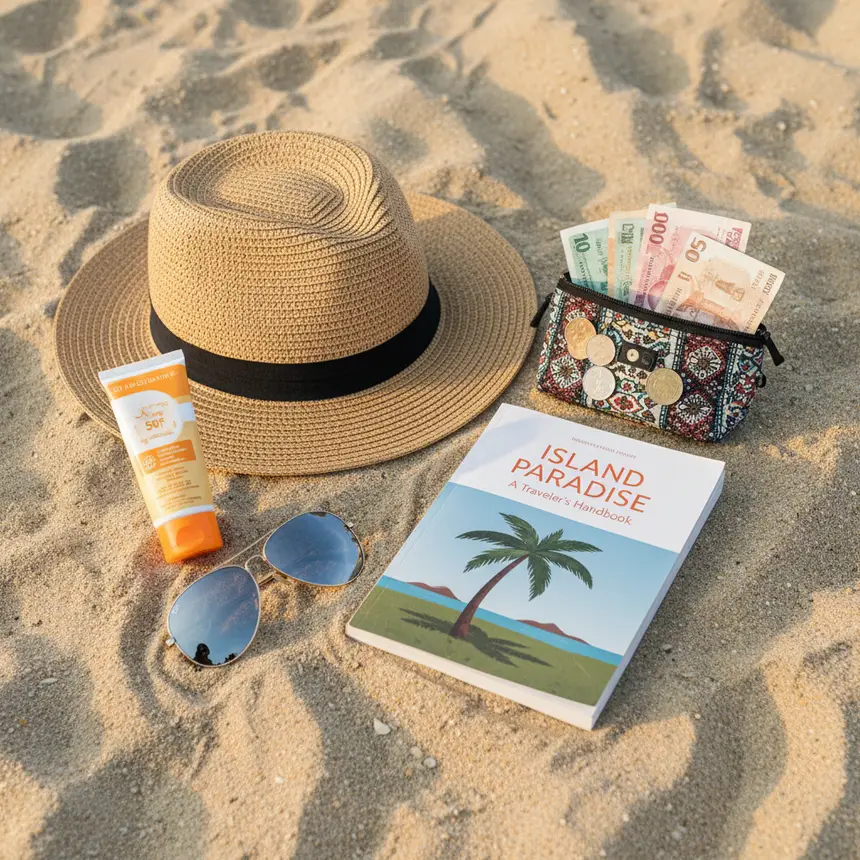
A successful trip begins with solid preparation extending beyond just documents and connectivity to include financial planning and personal packing. While the Philippines offers a relatively budget-friendly experience for many international travelers, it's often strategic to exchange a small amount of your home currency into US dollars before departing, then convert USD to Philippine Pesos upon arrival for potentially better rates. While credit cards are accepted in many establishments, having a good amount of local cash is advisable for smaller vendors and more remote areas. Essential items for the strong Philippine sun include high-SPF sunscreen, a wide-brimmed hat, and sunglasses. Pack lightweight, breathable clothing suitable for a tropical climate. A light, waterproof jacket can also be a smart addition for unexpected rain showers. Don't forget basic first-aid supplies, a list of emergency contacts, and confirming your travel insurance coverage before you leave. Create a detailed checklist and tick off each item diligently to ensure nothing is forgotten, guaranteeing a smoother and more secure travel experience.

To the Adventurer: Unforgettable Memories Through Perfect Preparation
Once you've navigated the seemingly complex digital entry forms, secured your local connectivity, and arranged seamless transportation from the airport to your lodging, the true excitement of travel can finally unfurl. Travel is a precious opportunity to explore the unknown, immerse yourself in new cultures, and gain fresh perspectives. A meticulously prepared journey allows you the flexibility to adapt calmly to any unforeseen challenges. With all your arrangements in place, all that's left is to fully embrace the stunning landscapes and unique experiences that await you. Go forth and create cherished memories that will last a lifetime. We wish you an incredible journey to the Philippines!
Frequently Asked Questions
Q. When is the best time to register for the Philippine eTravel?
A. You should register for eTravel within 72 hours of your flight's scheduled departure time. Registering too early might cause your information to expire, so it's best to complete it between three days before departure and just prior to boarding.
Q. What if my passport information has changed since my last eTravel registration?
A. If your passport information has been updated, you can log into your existing eTravel account and use the 'Edit' function to revise your new passport number and issue date. It's crucial to ensure all information is current and accurate to avoid issues upon entry.
Q. How can I ensure I have internet access in the Philippines?
A. You can get internet access by purchasing a local prepaid SIM card or an eSIM from Philippine telecommunication providers. eSIMs are particularly convenient as they activate with a QR code scan and can often be purchased online before your trip. Choose a plan that suits your data needs and travel duration.
Q. What's the most efficient way to get from the airport to my accommodation in the Philippines?
A. Pre-booking an airport transfer service is highly efficient, especially if your accommodation is far from the airport or requires multiple public transport connections. This is particularly recommended for island destinations or remote areas to save time and ensure a comfortable journey.
Q. Is it necessary to save my eTravel QR code in advance?
A. Yes, it's highly recommended to screenshot or print your eTravel QR code after completing registration. Philippine airport Wi-Fi can sometimes be unstable or slow, so having a readily accessible copy will expedite your immigration process.