Planning a trip to Kota Kinabalu, Malaysia? Discover the best ways to stay connected with our comprehensive guide comparing roaming, physical SIMs, and eSIMs. Elevate your travel experience with smart data choices.

Kota Kinabalu: Seamless Connectivity for an Unforgettable Escape
Malaysia's Kota Kinabalu is a true jewel of Southeast Asia, captivating travelers with its stunning blue waters, breathtaking sunsets, and laid-back resort atmosphere. Whether you're planning to unwind by the pool or embark on an adventure exploring local culture, reliable internet access is paramount for a smooth journey. From navigating unfamiliar streets and discovering hidden culinary gems to instantly sharing your cherished moments with friends and family, mobile data becomes an indispensable travel companion. Proactively planning your data connectivity strategy before your departure is the first step towards a smart and stress-free Kota Kinabalu experience.
Navigating Data Options for Your Malaysian Getaway
When traveling to Kota Kinabalu, you typically have three main choices for staying connected. Understanding the pros and cons of each will help you make the best decision for your travel style.
1. International Roaming: This is often the most straightforward option. By arranging it with your home carrier before you leave, you can use your existing phone number and settings abroad. However, international roaming plans frequently come with strict data caps and can be quite expensive, especially for longer trips of three to five days or more. It's usually best suited for very short stays or for travelers who absolutely need to maintain their home number for urgent calls.
2. Local Physical SIM Card: Many travelers opt for a local SIM card due to its cost-effectiveness and reliable performance. By using a local Malaysian network, you'll benefit from stable, fast internet speeds with minimal interruptions. These SIMs are often significantly cheaper than roaming – sometimes up to 70% less – and offer generous or even unlimited data plans, making them ideal for heavy data users. The primary downside is the need to physically swap out your home SIM card, so be careful not to misplace it.
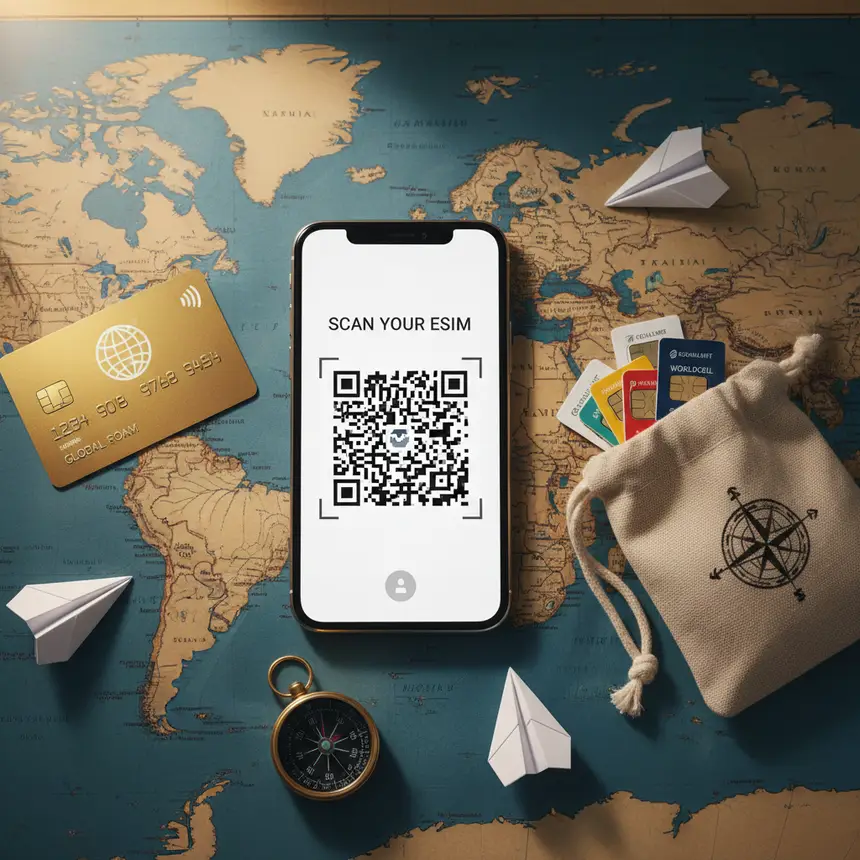
3. eSIM (Embedded SIM): This modern solution is gaining popularity for its convenience. An eSIM is a digital SIM profile, meaning there's no physical card to exchange; you simply activate it by scanning a QR code. While typically supported by newer smartphone models, it allows you to keep your primary phone number active for calls and texts while using the local eSIM for data. Setup might require a bit of initial configuration, but it eliminates the hassle of physical SIM cards and offers instant activation. It's particularly useful for shorter trips or when retaining your original number is critical.
While resorts in Kota Kinabalu usually provide Wi-Fi, you'll definitely need mobile data for essential services like calling a Grab ride-sharing car or exploring the city's attractions. Evaluate your personal data usage, trip duration, and budget to choose the most appropriate connectivity solution.
1. International Roaming: This is often the most straightforward option. By arranging it with your home carrier before you leave, you can use your existing phone number and settings abroad. However, international roaming plans frequently come with strict data caps and can be quite expensive, especially for longer trips of three to five days or more. It's usually best suited for very short stays or for travelers who absolutely need to maintain their home number for urgent calls.
2. Local Physical SIM Card: Many travelers opt for a local SIM card due to its cost-effectiveness and reliable performance. By using a local Malaysian network, you'll benefit from stable, fast internet speeds with minimal interruptions. These SIMs are often significantly cheaper than roaming – sometimes up to 70% less – and offer generous or even unlimited data plans, making them ideal for heavy data users. The primary downside is the need to physically swap out your home SIM card, so be careful not to misplace it.
3. eSIM (Embedded SIM): This modern solution is gaining popularity for its convenience. An eSIM is a digital SIM profile, meaning there's no physical card to exchange; you simply activate it by scanning a QR code. While typically supported by newer smartphone models, it allows you to keep your primary phone number active for calls and texts while using the local eSIM for data. Setup might require a bit of initial configuration, but it eliminates the hassle of physical SIM cards and offers instant activation. It's particularly useful for shorter trips or when retaining your original number is critical.
While resorts in Kota Kinabalu usually provide Wi-Fi, you'll definitely need mobile data for essential services like calling a Grab ride-sharing car or exploring the city's attractions. Evaluate your personal data usage, trip duration, and budget to choose the most appropriate connectivity solution.
※ This post contains affiliate links. I may earn a commission at no extra cost to you.

Essential Data Planning Tips for a Smooth Kota Kinabalu Adventure
Enhance your Kota Kinabalu experience with these smart data preparation tips:
Thorough data preparation will significantly contribute to a stress-free and enriching travel experience in Kota Kinabalu, allowing you to fully immerse yourself in its natural beauty and vibrant culture. Enjoy your journey to Malaysia!
- Check Smartphone Compatibility: If you're considering an eSIM, confirm that your smartphone model supports eSIM functionality. Not all devices are equipped with this feature, so it's wise to check your device specifications before you depart.
- Estimate Your Data Needs: Understand your typical data consumption patterns. If your usage is limited to navigation and messaging, a smaller data plan might suffice. However, for streaming, frequent social media uploads, or extensive use of real-time maps and ride-sharing apps like Grab, a larger data package or unlimited option will be more practical. Consistent data is crucial for using essential local apps in Kota Kinabalu.
- Purchase in Advance: Buying your physical SIM or eSIM online before your trip and arranging for airport pickup or home delivery can be far more convenient and often cheaper than purchasing upon arrival. Pre-ordering ensures you have data as soon as you land, saving you time and hassle.
- Prepare for Contingencies: It’s always a good idea to note down your accommodation's Wi-Fi details and emergency contacts beforehand. Additionally, if you're using a physical SIM, bring a small case or holder to safely store your home SIM card while it's out of your phone.
Thorough data preparation will significantly contribute to a stress-free and enriching travel experience in Kota Kinabalu, allowing you to fully immerse yourself in its natural beauty and vibrant culture. Enjoy your journey to Malaysia!
Frequently Asked Questions
Q: What should I consider when choosing a physical SIM for Kota Kinabalu?
A: When selecting a local SIM, first ensure your phone is unlocked. Then, research the network coverage of local providers in Kota Kinabalu and compare the available data plans regarding volume and validity period. Purchasing online for airport pickup often offers the best convenience and value.
Q: Who would benefit most from using an eSIM during their trip?
A: eSIMs are ideal for travelers with newer smartphones who prefer a digital solution over a physical SIM. They are particularly suitable for short trips where you want to keep your home number active for calls while using a local data plan, or for those who frequently travel to multiple countries and want the flexibility to switch data plans easily.
Q: Why might traditional data roaming not be the best choice for a vacation in Malaysia?
A: While convenient, traditional data roaming often comes with higher costs and more restrictive data limits compared to local SIMs or eSIMs. For a vacation in a destination like Kota Kinabalu, where you might use a lot of data for an extended period, roaming can quickly become cost-ineffective.
Q: Is mobile data essential for using ride-sharing apps like Grab in Kota Kinabalu?
A: Yes, mobile data is crucial for using ride-sharing apps such as Grab. These apps rely on real-time location tracking and communication to connect you with drivers. Since Grab is a very popular and convenient way to get around Kota Kinabalu, having a reliable data connection is highly recommended.
Q: Which data option offers the best value for heavy internet users in Kota Kinabalu?
A: For heavy internet users who frequently stream videos, upload to social media, or use navigation extensively, a local physical SIM card typically offers the best value. Local carriers often provide large data packages or unlimited plans that are more affordable and stable than most roaming or even some eSIM options.